

Search our Blog Posts
Intragastric Balloon for Weight Loss
The intragastric weight loss balloon is the only non-surgical weight loss strategy proven to help people lose weight. Your weight loss journey begins with a personalized evaluation. You’ll start receiving the education you need to prepare you for success. After that, the Orbera balloon is inserted into your stomach during an upper endoscopy. This is a non-surgical procedure where you will be completely asleep and comfortable. The balloon will remain in place for six months, helping to control portion size and curb appetite. Our advanced endoscopist, Dr. Allen Hwang, is the only doctor in the US north of New York who places intragastric weight loss balloons.
A temporary, non-surgical endoscopic weight-loss option offered as part of a comprehensive, physician-supervised program.

Intragastric Balloon in Massachusetts
An intragastric balloon is a temporary, non-surgical weight-loss option for selected adults with obesity. The balloon is placed into the stomach during an upper endoscopy and then filled to occupy space within the stomach. This can help patients feel full earlier, reduce portion size, and begin weight loss while participating in a structured lifestyle and nutrition program.
At Integrated Gastroenterology Consultants, intragastric balloon therapy is offered through our Medical Weight Management Center. Our program is physician-led and designed to help patients choose the most appropriate treatment from a range of options, including lifestyle medicine, nutrition counseling, weight-loss medications, endoscopic sleeve gastroplasty, intragastric balloon therapy, TORe, and referral for bariatric surgery when appropriate.
IGIC serves patients in Lowell, Haverhill, Andover, Newburyport, and across the Merrimack Valley, Southern New Hampshire, and the greater Boston region.
What is an intragastric balloon?
An intragastric balloon is a soft balloon placed into the stomach through the mouth using an endoscope. Once positioned, the balloon is filled, usually with fluid, so that it occupies space in the stomach. The goal is to help patients feel satisfied with smaller amounts of food.
The balloon is temporary. It is removed endoscopically after the approved treatment period. Long-term success depends on the lifestyle, nutrition, and medical plan that continues after balloon removal.
Orbera and Spatz3 balloon options
IGIC offers intragastric balloon options, including Orbera and Spatz3. Orbera is FDA-approved for adults with BMI 30–40 who have not achieved adequate weight loss with conservative methods and is used together with a long-term supervised diet and behavior modification program. The maximum placement period for Orbera is 6 months.
Spatz3 is an adjustable intragastric balloon. FDA materials describe Spatz3 as indicated for temporary weight loss in adults with BMI 35–40, or BMI 30–34.9 with at least one major obesity-related comorbid condition, after failure to achieve and maintain weight loss with a supervised weight-control program.
The best balloon option depends on the patient’s BMI, medical history, anatomy, prior treatment attempts, tolerance, preferences, and physician assessment.
Who may be a candidate?
An intragastric balloon may be considered for selected adults who:
Have obesity or weight-related medical concerns
Have not achieved durable weight loss with lifestyle treatment alone
Prefer a temporary, non-surgical endoscopic option
Are willing to participate in structured follow-up
Understand that the balloon is a tool, not a stand-alone cure
A balloon may not be appropriate for patients with certain stomach conditions, prior gastric surgery, large hiatal hernia, active ulcers, pregnancy, bleeding risk, or medical conditions that make endoscopy or anesthesia unsafe. A consultation is required.
What happens during placement?
Balloon placement is performed during an upper endoscopy. The physician passes an endoscope through the mouth into the stomach, places the deflated balloon, and fills it once it is in position. The procedure does not require external incisions.
Patients typically go home the same day, but the exact plan depends on the patient’s health and the judgment of the care team.
What happens after balloon placement?
The first several days after balloon placement can include nausea, bloating, cramping, reflux, or abdominal discomfort as the stomach adjusts. Patients follow a staged diet and receive instructions about hydration, medications, activity, and warning symptoms.
Follow-up is essential. The balloon is temporary, so the treatment period is used to build durable nutrition, activity, and behavioral changes that can continue after the balloon is removed.
Intragastric balloon vs ESG
Both intragastric balloon and endoscopic sleeve gastroplasty are incision-free endoscopic weight-loss procedures, but they are different.
A balloon is temporary and removable. ESG uses endoscopic suturing to reduce stomach volume and is intended as a more durable endoscopic intervention. Balloon therapy may be a good option for patients seeking a temporary treatment, while ESG may be considered for patients who want a more durable procedural approach without traditional bariatric surgery.
Risks and considerations
Intragastric balloon therapy is less invasive than surgery, but it still has risks. Possible side effects include nausea, vomiting, abdominal pain, reflux, dehydration, balloon intolerance, ulceration, balloon deflation, obstruction, or need for early removal. Rare serious complications can occur.
Patients should discuss benefits, risks, alternatives, expected follow-up, and costs before proceeding.
FAQ for intragastric balloon
Is an intragastric balloon the same as a gastric balloon?
Yes. “Intragastric balloon” is the medical term. “Gastric balloon” is a common shorter term.
Is balloon placement surgery?
No. Balloon placement is performed endoscopically through the mouth, without external incisions. It is still a medical procedure requiring appropriate evaluation and monitoring.
How long does the balloon stay in place?
This depends on the specific balloon system. Orbera is placed for up to 6 months. Spatz3 has different approved use parameters and is adjustable. Your physician will discuss which option is appropriate.
How much weight can I lose?
Weight loss varies. Results depend on the balloon type, starting weight, nutrition, activity, medical conditions, and follow-up. The balloon should be viewed as part of a supervised weight-management program.
What happens after the balloon is removed?
After removal, patients continue the nutrition, lifestyle, and medical plan developed during treatment. Long-term maintenance depends heavily on follow-up and sustained behavior change.
Can balloon therapy be combined with weight-loss medications?
Sometimes. Medication use before, during, or after balloon therapy depends on medical history, side effects, treatment response, and goals.
Is it covered by insurance?
Coverage varies and is often limited. Patients should confirm benefits with their insurer and discuss expected costs with IGIC’s billing team, who can discuss options including payment plans.
Who performs intragastric balloon placement at IGIC?
Balloon placement is performed by Dr. Allen Hwang, our advanced endoscopist with specialized training in endoscopic weight-loss procedures.
To learn whether intragastric balloon therapy is appropriate for you, request a consultation with the IGIC Weight Management & Lifestyle Medicine Center.
Call 978-459-6737 to request a Weight Management Consultation.
Sources:
U.S. Food and Drug Administration. Summary of Safety and Effectiveness Data: ORBERA™ Intragastric Balloon System. PMA P140008. FDA; 2015.
U.S. Food and Drug Administration. Summary of Safety and Effectiveness Data: Spatz3 Adjustable Balloon System. PMA P190012. FDA; 2021.
Muniraj T, Day LW, Teigen LM, Ho EY, Sultan S, Davitkov P, Shah R, Murad MH. AGA Clinical Practice Guidelines on Intragastric Balloons in the Management of Obesity. Gastroenterology. 2021;160(5):1799-1808. doi:10.1053/j.gastro.2021.03.003.
Medically reviewed by: Dr. Allen Hwang
Lasts reviewed: 8/28/26
How the Orbera Weight Loss System Works
It’s a Tool, Not a Shortcut
How Much Weight Did You Lose?
What’s Life Like After It’s Out?
Does It Really Work?
Does It Require Surgery?
Is It Worth It?
What Does It Feel Like?
The First Thing That Works
More Than a Balloon
TORe for Weight Regain After Gastric Bypass
An incision-free endoscopic revision option for selected patients who have regained weight after Roux-en-Y gastric bypass.

TORe in Massachusetts
Weight regain after Roux-en-Y gastric bypass is common and can be frustrating. In some patients, weight regain is related in part to stretching of the gastrojejunal anastomosis — the connection between the small stomach pouch and the small intestine. When this outlet becomes enlarged, food may empty more quickly from the pouch, reducing fullness and making weight regain more likely.
Transoral outlet reduction, or TORe, is an endoscopic procedure designed for selected patients with weight regain after Roux-en-Y gastric bypass. It is performed through the mouth using an endoscope and endoscopic suturing, without external incisions.
At Integrated Gastroenterology Consultants, TORe is offered as part of a physician-led weight management program that includes evaluation of anatomy, nutrition, lifestyle, medication options when appropriate, and long-term follow-up.
What is TORe?
TORe stands for transoral outlet reduction. “Transoral” means the procedure is performed through the mouth. “Outlet reduction” refers to reducing the size of the gastrojejunal outlet after gastric bypass.
During TORe, the physician uses an endoscope and suturing device to reduce the size of the outlet and sometimes adjust the pouch anatomy. The goal is to help restore restriction, improve satiety, and support renewed weight loss.
TORe is not a general weight-loss procedure for patients who have not had gastric bypass. It is specifically intended for selected patients with prior Roux-en-Y gastric bypass.
Why weight regain can happen after gastric bypass
Roux-en-Y gastric bypass is an effective bariatric operation, but weight regain can occur over time. Causes may include changes in eating patterns, metabolic adaptation, medication effects, hormonal factors, reduced physical activity, behavioral factors, or anatomic changes.
One anatomic contributor is dilation of the gastrojejunal anastomosis. When the outlet stretches, the pouch may empty more quickly, and patients may feel less restriction than they did earlier after surgery.
TORe addresses this anatomic component. It works best when paired with a comprehensive medical, nutritional, and lifestyle plan.
Who may be a candidate for TORe?
TORe may be considered for patients who:
Previously had Roux-en-Y gastric bypass
Have experienced weight regain or inadequate weight-loss maintenance
Have an enlarged gastrojejunal outlet or anatomy that may respond to endoscopic revision
Want an incision-free alternative to surgical revision
Are willing to participate in structured follow-up after the procedure
TORe may not be appropriate for all patients with weight regain. Some patients may benefit more from medication, nutrition and lifestyle treatment, surgical evaluation, or evaluation for other causes of weight change.
What happens before TORe?
Before TORe, patients typically undergo a detailed evaluation, which may include:
Review of original bariatric surgery history
Weight-loss and weight-regain timeline
Review of eating patterns, medications, and medical conditions
Evaluation for nutritional deficiencies
Assessment of reflux, ulcers, abdominal pain, or other GI symptoms
Upper endoscopy to evaluate pouch and outlet anatomy
Discussion of alternatives, including medical therapy and surgical revision
This evaluation helps determine whether the patient’s anatomy is likely to respond to TORe.
What happens during TORe?
TORe is performed under anesthesia using an upper endoscope. The physician advances the endoscope through the mouth into the gastric pouch and identifies the gastrojejunal outlet. Endoscopic sutures are then placed to reduce the outlet diameter and, in some cases, modify the pouch.
The procedure does not require external incisions. Many patients go home the same day, depending on their health and procedural course.
Recovery after TORe
After TORe, patients follow a staged diet, usually beginning with liquids and gradually advancing according to the care team’s instructions. Temporary symptoms may include nausea, abdominal discomfort, bloating, reflux, or difficulty tolerating certain foods during early recovery.
Long-term follow-up is important. TORe is most effective when combined with nutrition counseling, behavioral support, physical activity planning, and medical management when appropriate.
Expected results after TORe
TORe is intended to help patients regain some of the restrictive effect of gastric bypass when outlet dilation is contributing to weight regain. Published studies support TORe as an endoscopic option for weight regain after Roux-en-Y gastric bypass, including randomized trial evidence and longer-term observational follow-up.
Individual results vary. Weight loss after TORe depends on anatomy, starting weight, time from bypass, dietary patterns, medications, metabolic factors, and follow-up.
TORe vs surgical revision
Surgical revision after gastric bypass can be effective for selected patients, but it can also be technically complex and associated with higher risk than the original operation. TORe offers an incision-free endoscopic alternative for patients whose anatomy is suitable.
TORe is not a replacement for all forms of surgical revision. The best approach depends on anatomy, medical risk, nutritional status, symptoms, and the patient’s goals.
Risks and considerations
TORe is less invasive than surgical revision, but it still has risks. Potential risks include bleeding, infection, abdominal pain, nausea, vomiting, reflux, narrowing of the outlet, need for repeat endoscopy, anesthesia-related complications, or failure to achieve desired weight loss. Serious complications are uncommon but possible.
A consultation is required to discuss candidacy, benefits, risks, alternatives, and expectations.
FAQ for TORe
What does TORe stand for?
TORe stands for transoral outlet reduction.
Who is TORe for?
TORe is for selected patients who previously had Roux-en-Y gastric bypass and later experienced weight regain, particularly when the gastric bypass outlet has stretched.
Is TORe surgery?
No. TORe is performed endoscopically through the mouth, without external incisions. It is still a medical procedure requiring anesthesia and follow-up.
Is TORe the same as ESG?
No. ESG is a primary endoscopic weight-loss procedure for patients who have not necessarily had bariatric surgery. TORe is a revisional endoscopic procedure for selected patients after Roux-en-Y gastric bypass.
How do I know if my gastric bypass outlet is stretched?
An upper endoscopy can evaluate the size of the gastric pouch and gastrojejunal outlet.
How much weight can I lose after TORe?
Results vary. TORe may help support renewed weight loss when outlet dilation is contributing to weight regain, but long-term results depend on anatomy, diet, activity, medications, and follow-up.
Can TORe be combined with weight-loss medications?
Yes, in some cases. Medication therapy may be considered before or after TORe depending on the patient’s medical history and treatment response.
Is TORe covered by insurance?
Coverage varies. Patients should check with their insurer and discuss documentation and cost considerations with the IGIC billing team, who can discuss options such as payment plans.
If you previously had Roux-en-Y gastric bypass and are experiencing weight regain, IGIC can evaluate whether TORe or another weight-management option is appropriate.
Call 978-459-6737 or request a Weight Management Consultation.
Sources:
Thompson CC, Chand B, Chen YK, et al. Endoscopic suturing for transoral outlet reduction increases weight loss after Roux-en-Y gastric bypass surgery. Gastroenterology. 2013;145(1):129-137.e3. doi:10.1053/j.gastro.2013.04.002.
Kumar N, Thompson CC. Transoral outlet reduction for weight regain after gastric bypass: long-term follow-up. Gastrointestinal Endoscopy. 2016.
Jirapinyo P, Kumar N, AlSamman MA, Thompson CC. Five-year outcomes of transoral outlet reduction for the treatment of weight regain after Roux-en-Y gastric bypass. Gastrointestinal Endoscopy. 2020;91(5):1067-1073. doi:10.1016/j.gie.2019.11.044.
Mayo Clinic. The use of transoral outlet reduction endoscopy to manage weight regain after gastric bypass: A comparison of 2 endoscopic techniques. Mayo Clinic; 2021.
Hakiza L, Jirapinyo P, Thompson CC. Transoral Outlet Reduction (TORe) for the Treatment of Weight Regain and Dumping Syndrome After Roux-en-Y Gastric Bypass. Medicina. 2023;59(1):125.
Medically reviewed by: Supriya Rao, MD
Last reviewed: 4/30/26
Integrated Gastroenterology Consultants Medical Weight Management Center
Pivio Health

IGIC is excited to start offering Pivio, a complete health improvement program! Pivio is built on the foundation of CHIP, the first lifestyle medicine program certified by the American College of Lifestyle Medicine (ACLM).
What is Pivio?
Pivio is a lifestyle medicine program focused on whole-person health. Pivio is a 12-18 session program over 30-90 days in an in-person group environment with dynamic group discussions and peer support. Pivio integrates optimal nutrition, exercise and behavioral psychology principles and tools.
What does Pivio include?
Pre-and post-health status assessments
Weekly facilitated group sessions
Edutainment style video content to teach participants how to apply lifestyle medicine to your daily life and build lasting, healthy habits
A journal to track your progress and reflect on your journey towards better health
A cookbook to find healthy, nutritious recipes and a meal delivery option to simplify and ease participants into healthy eating
Educational materials such as articles, fact sheets and explainer videos on topics related to lifestyle changes and healthy living
How can I join Pivio?
We are hosting info sessions for you to learn more about the program. Check on our news page for upcoming dates or contact us using the form below.

OverStitch/TORe (transoral outlet reduction endoscopy)
Transoral Outlet Reduction (TORe) for Weight Regain After Gastric Bypass
Transoral Outlet Reduction (TORe) is a minimally invasive endoscopic procedure used to help patients who have previously had gastric bypass surgery and are experiencing weight regain or less weight loss than expected.
After gastric bypass, the stomach pouch and the connection between the stomach and small intestine (the stoma) can gradually stretch over time. This may reduce the feeling of fullness after eating and contribute to weight regain. TORe is designed to reduce the size of both the pouch and the stoma to help restore restriction.
The procedure is performed using an endoscope (a flexible tube with a camera) passed through the mouth. A specialized suturing device, known as the OverStitch™ system, is used to place sutures that tighten the enlarged areas. Because the procedure is done internally, no external incisions are required.
What to expect:
TORe is typically performed on an outpatient basis
Most patients return to normal daily activities within a few days
Discomfort is generally mild and temporary
The procedure does not involve traditional surgery
TORe is performed by gastroenterologists trained in advanced endoscopic techniques. The approach is tailored to each patient’s anatomy and medical history.
Is TORe appropriate for you?
Patients who have had gastric bypass and are concerned about weight regain or reduced effectiveness of their surgery may be candidates for TORe. A consultation with a healthcare provider is needed to review your medical history, discuss potential risks and benefits, and determine whether this procedure is appropriate for your situation.
Intragastric Weight Loss Balloon: Orbera
The intragastric weight loss balloon is the only non-surgical weight loss strategy proven to help people lose weight. Your weight loss journey begins with a personalized evaluation. You’ll start receiving the education you need to prepare you for success. After that, the Orbera balloon is inserted into your stomach during an upper endoscopy. This is a non-surgical procedure where you will be completely asleep and comfortable. The balloon will remain in place for six months, helping to control portion size and curb appetite. Our advanced endoscopist, Dr. Allen Hwang, is the only doctor in the US north of New York who places intragastric weight loss balloons.
The intragastric weight loss balloon is the only non-surgical weight loss strategy proven to help people lose weight. Your weight loss journey begins with a personalized evaluation. You’ll start receiving the education you need to prepare you for success. After that, the Orbera balloon is inserted into your stomach during an upper endoscopy. This is a non-surgical procedure where you will be completely asleep and comfortable. The balloon will remain in place for six months, helping to control portion size and curb appetite. With the help of the weight loss balloon and personalized coaching, you’ll focus on healthy eating, exercise, and lifestyle habits to maximize your success. The weight loss balloon is removed from your stomach at six months. After the weight loss balloon is removed, you’ll continue receiving support to help you achieve and maintain your optimal weight and healthy lifestyle.
Integrated Gastroenterology Consultants uses the Orbera Weight Loss System. Orbera is a year-long program for helping you lose weight by changing your habits. See more about the Orbera balloon, including FAQ videos, below.
Our advanced endoscopist, Dr. Allen Hwang, is the only doctor in the US north of New York who places intragastric weight loss balloons. Call (978) 459-6737 for a consultation on weight management and the weight loss balloon.
Medically reviewed by: Allen Hwang, MD
Last reviewed: 4/30/26
Integrated Gastroenterology Consultants Medical Weight Management Center
How the Orbera Weight Loss System Works
It’s a Tool, Not a Shortcut
How Much Weight Did You Lose?
What’s Life Like After It’s Out?
Does It Really Work?
Does It Require Surgery?
Is It Worth It?
What Does It Feel Like?
The First Thing That Works
More Than a Balloon
Intragastric Weight Loss Balloon: Spatz
The Spatz3 Adjustable Balloon System is the world’s first and only adjustable gastric balloon. This non-surgical weight loss solution offers patients a higher weight loss success rate than ever before. With the highest weight loss results and highest success rates of all 8-month gastric balloons, the Spatz3 has proven to have an 84% success rate and 15% weight loss, far exceeding every non-adjustable balloon in non-comparative studies. In addition, FDA Clinical Trials show that Spatz balloon patients lost five times as much weight as those on diet alone.Spatz Medical is committed to the patient’s journey, helping them achieve their weight loss goals, while learning to listen to body cues that ultimately contribute to long-term weight management success.
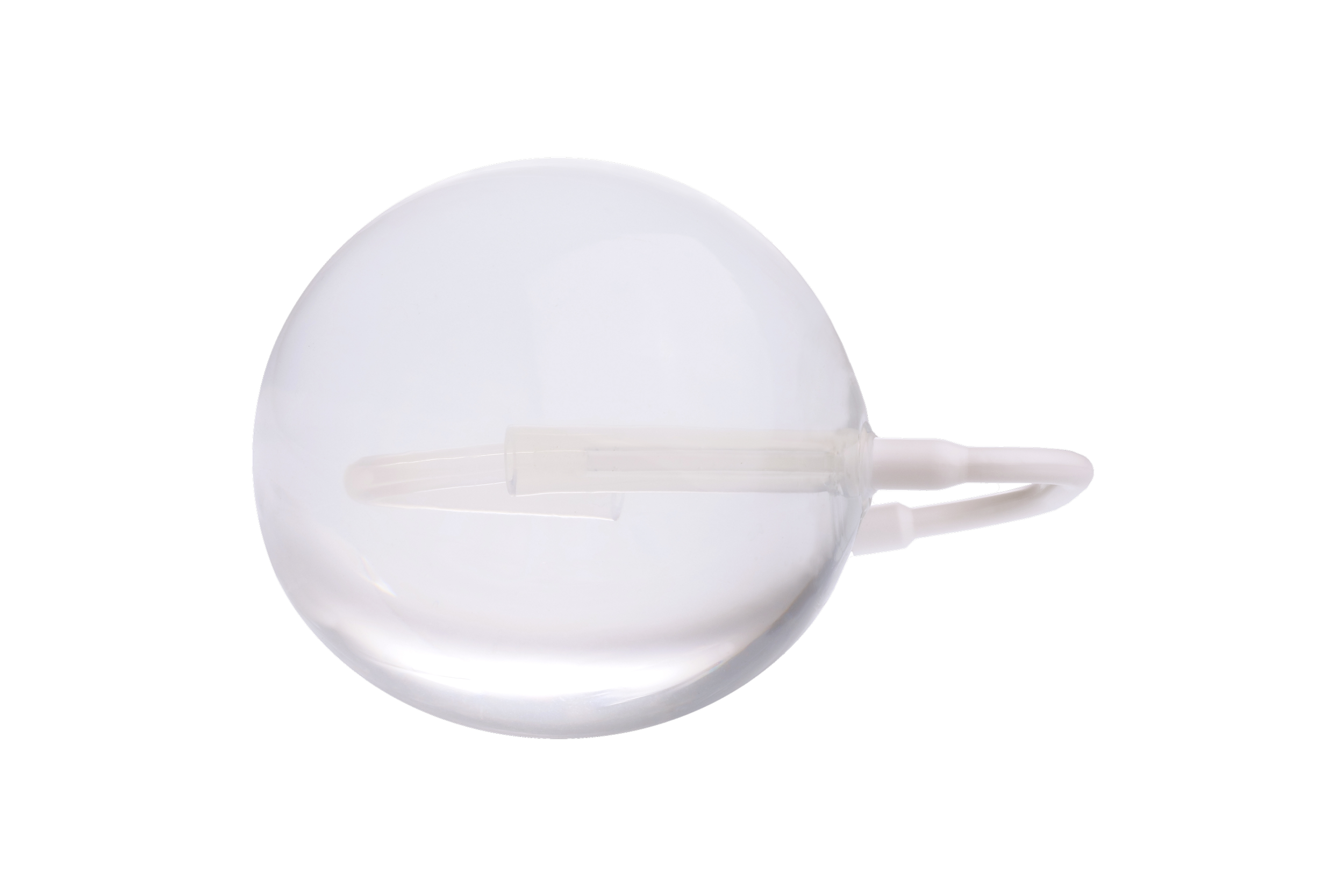
The Spatz3 Adjustable Balloon System is the world’s first and only adjustable gastric balloon. This non-surgical weight loss solution offers patients a higher weight loss success rate than ever before. With the highest weight loss results and highest success rates of all 8-month gastric balloons, the Spatz3 has proven to have an 84% success rate and 15% weight loss, far exceeding every non-adjustable balloon in non-comparative studies. In addition, FDA Clinical Trials show that Spatz balloon patients lost five times as much weight as those on diet alone.Spatz Medical is committed to the patient’s journey, helping them achieve their weight loss goals, while learning to listen to body cues that ultimately contribute to long-term weight management success.
Integrated Gastroenterology Consultants now offers the Spatz3 Adjustable Balloon System as one option for intragastric balloons. See more about the Spatz3 balloon below.
Our advanced endoscopist, Dr. Allen Hwang, is one of the only doctors in the US north of New York who places intragastric weight loss balloons. Call (978) 459-6737 for a consultation on weight management and the weight loss balloon.