

Search our Blog Posts
Fecal Transplant (FMT or Stool Transplant)
Fecal Microbiota Transplantation (FMT) is a medical procedure used to restore the balance of bacteria in your digestive system. This treatment is particularly effective for individuals suffering from recurrent Clostridioides difficile (C. diff) infections, a condition that can cause severe diarrhea and is often resistant to standard antibiotic treatments. FMT is being studied for its potential benefits in treating other gastrointestinal disorders as well.
The procedure involves transferring stool from a healthy donor into the intestinal tract of the patient. This is typically done via a prescription FMT pills (such as from Vowst) or enemas, or less commonly through a procedure. The idea is to introduce beneficial bacteria to outcompete the harmful C. diff bacteria. Most patients who undergo FMT for C. diff infections experience a significant improvement in their symptoms. The procedure is generally considered safe and has a high success rate for treating recurrent C. diff infections. It's important to consult with your healthcare provider to understand if FMT is an appropriate treatment for your condition, the process involved, and any potential risks or side effects.
ERCP

ERCP, which stands for Endoscopic Retrograde Cholangiopancreatography, is a procedure used by doctors to diagnose and treat problems in the liver, gallbladder, bile ducts, and pancreas. During an ERCP, a flexible tube with a tiny camera at the end, called an endoscope, is gently inserted through the mouth, down the throat, and into the stomach and small intestine. This allows the doctor to see images of these organs on a screen and identify any issues such as gallstones, blockages, or inflammation. Additionally, if any problems are found, the doctor can perform treatments like removing gallstones or widening narrowed ducts using special instruments passed through the endoscope.
If you have any questions, please call our office at 978-459-6737.
Esophageal Manometry
Esophageal manometry is a specialized test used to evaluate the function of the esophagus, the tube that connects your throat to your stomach. This test is particularly helpful if you're experiencing symptoms like difficulty swallowing, pain when swallowing, or persistent heartburn. It's also commonly used to diagnose conditions such as achalasia, a disorder affecting the ability of the esophagus to move food toward the stomach, or to assess esophageal function before anti-reflux surgery.
During esophageal manometry, a thin, flexible tube is gently passed through your nose, down your throat, and into your esophagus. This tube measures the muscle contractions of your esophagus when you swallow, assessing the coordination and strength of these contractions. The procedure typically takes about 30 to 45 minutes and is done on an outpatient basis. While the test may be a bit uncomfortable, it's not usually painful. Before undergoing esophageal manometry, your healthcare provider will explain how to prepare for the test, what you can expect during the procedure, and how to interpret the results.
Colon Cancer Screening
Colon cancer screening is an important step in preventing or catching colon cancer early. The usual recommendation is to start screening at age 45, but if you have a family history of colon cancer, your doctor might suggest starting sooner. Early detection is key to effective treatment and can stop cancer before it develops.
A colonoscopy is the most comprehensive method for colon cancer screening. In this procedure, a doctor checks your colon and rectum using a camera on a flexible tube. If they find small growths, called polyps, they can remove them right away. This not only helps detect cancer but can prevent it from forming. While some people may be nervous about getting a colonoscopy, it's a very effective tool against colon cancer and is generally needed only once every 10 years if your test results are normal.
Home stool tests are another option. These tests, including names like the fecal immunochemical test (FIT) and the FIT-DNA test, look for signs of cancer in your stool. They are simpler and can be done at home, but they aren’t as thorough as a colonoscopy. If anything unusual shows up in these tests, you’ll still need a colonoscopy for a full check and to remove any polyps.
Talking to your healthcare provider about the best screening option for you is important. While stool tests may seem easier, a colonoscopy is the only method that can both detect and prevent cancer by removing polyps. Regular screening, in whatever form, is crucial for maintaining good health and protecting against colon cancer.
Colonoscopy
A colonoscopy is a medical test that doctors use to look inside your colon and rectum. It’s one of the best ways to check for colon cancer and to prevent it. Most people should start getting a colonoscopy at age 45, but some might need it earlier if there’s a history of colon cancer in their family. Catching any issues early can lead to better treatment outcomes and can help stop cancer from developing.
During a colonoscopy, your doctor uses a long, flexible tube with a tiny camera on the end. This camera lets them see the entire inside of your colon and find things like polyps, which are small growths. Polyps can sometimes turn into cancer, so the doctor can remove them during the colonoscopy, which helps prevent cancer from starting. The idea of a colonoscopy might make you nervous, but it’s a safe and effective way to protect yourself against colon cancer. Most people need to have a colonoscopy only once every 10 years if everything looks normal.
Before a colonoscopy, you’ll need to prepare by following your doctor's instructions, which usually include a special diet and taking a laxative to clean out your colon. On the day of the test, you’ll be given medication to help you relax or sleep, so you shouldn’t feel anything during the procedure. Recovery is usually quick, and most people can get back to their normal activities the next day.
If you’re due for a colonoscopy or have concerns about colon cancer, talk to your healthcare provider. They can guide you on when to start screening and what to expect. Regular colonoscopies are a major part of staying healthy and can be life-saving by catching and preventing colon cancer.
Find our prep instructions here.
Intragastric Weight Loss Balloon: Spatz
The Spatz3 Adjustable Balloon System is the world’s first and only adjustable gastric balloon. This non-surgical weight loss solution offers patients a higher weight loss success rate than ever before. With the highest weight loss results and highest success rates of all 8-month gastric balloons, the Spatz3 has proven to have an 84% success rate and 15% weight loss, far exceeding every non-adjustable balloon in non-comparative studies. In addition, FDA Clinical Trials show that Spatz balloon patients lost five times as much weight as those on diet alone.Spatz Medical is committed to the patient’s journey, helping them achieve their weight loss goals, while learning to listen to body cues that ultimately contribute to long-term weight management success.
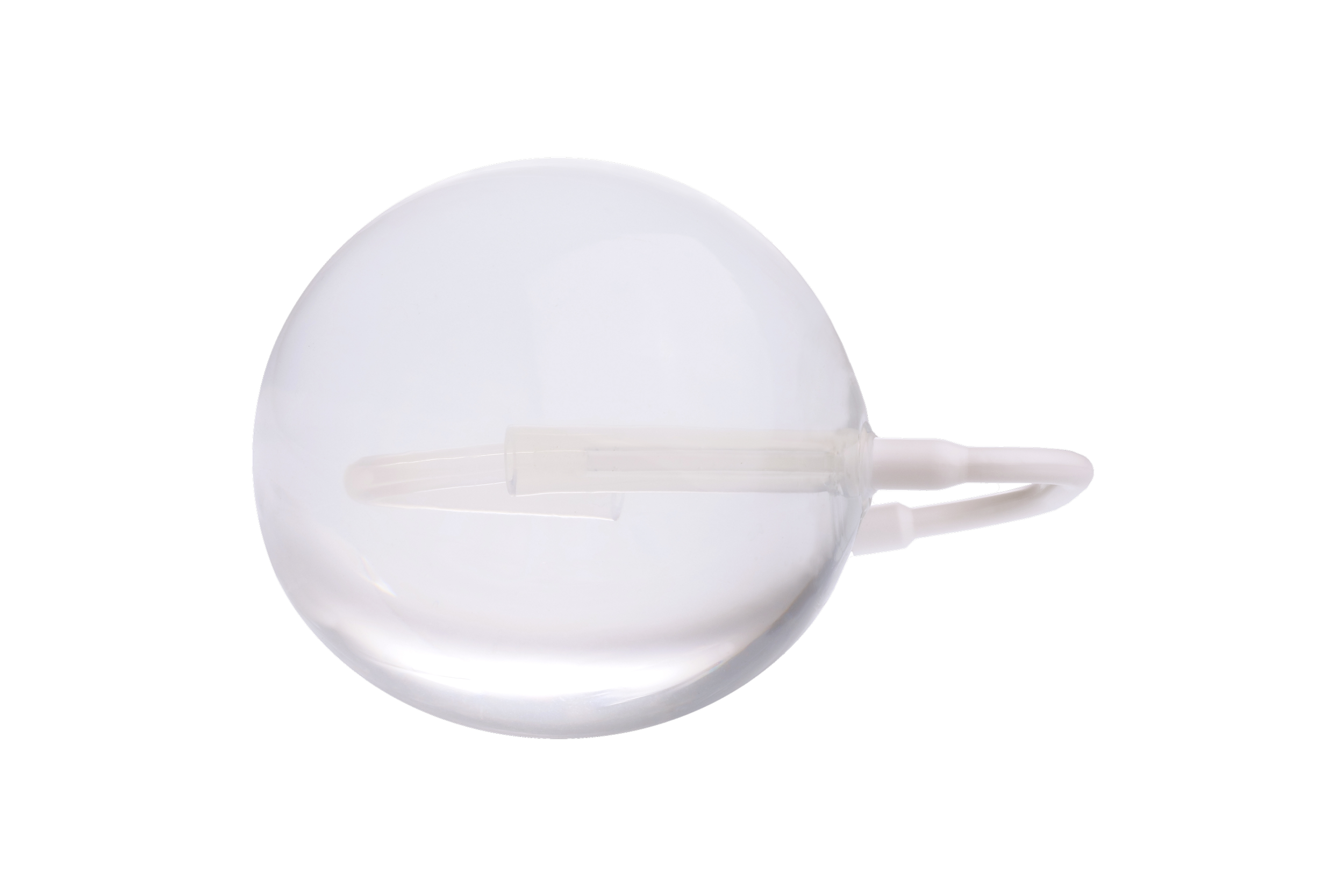
The Spatz3 Adjustable Balloon System is the world’s first and only adjustable gastric balloon. This non-surgical weight loss solution offers patients a higher weight loss success rate than ever before. With the highest weight loss results and highest success rates of all 8-month gastric balloons, the Spatz3 has proven to have an 84% success rate and 15% weight loss, far exceeding every non-adjustable balloon in non-comparative studies. In addition, FDA Clinical Trials show that Spatz balloon patients lost five times as much weight as those on diet alone.Spatz Medical is committed to the patient’s journey, helping them achieve their weight loss goals, while learning to listen to body cues that ultimately contribute to long-term weight management success.
Integrated Gastroenterology Consultants now offers the Spatz3 Adjustable Balloon System as one option for intragastric balloons. See more about the Spatz3 balloon below.
Our advanced endoscopist, Dr. Allen Hwang, is one of the only doctors in the US north of New York who places intragastric weight loss balloons. Call (978) 459-6737 for a consultation on weight management and the weight loss balloon.
Anorectal Manometry
Anorectal manometry is a test that doctors use to check how well the muscles and nerves in your rectum and anus are working. It's especially helpful if you have issues like constipation or trouble controlling bowel movements (fecal incontinence). This test can help your doctor figure out why you're having these problems and how to treat them.
During the test, a small, flexible tube with sensors is inserted into your rectum. It measures muscle pressure when you relax and squeeze. The procedure is quick, typically taking about 30 minutes, and you can usually go back to your normal activities right after. It might feel a bit uncomfortable, but it shouldn’t be painful. If your doctor suggests an anorectal manometry, they’ll explain how to prepare and what to expect during the test.