

Endoscopic Sleeve Gastroplasty (ESG)
A minimally invasive, incision-free weight-loss procedure offered as part of a comprehensive, physician-led weight management program.
Endoscopic Sleeve Gastroplasty in Massachusetts
Endoscopic sleeve gastroplasty, often called ESG, is a minimally invasive weight-loss procedure performed through an upper endoscope. During the procedure, a specially trained gastroenterologist places sutures from inside the stomach to reduce its functional volume. This can help patients feel full with smaller meals and support meaningful, sustained weight loss when combined with nutrition counseling, lifestyle treatment, and ongoing medical follow-up.
At Integrated Gastroenterology Consultants, ESG is offered through our Weight Management & Lifestyle Medicine Center as part of a comprehensive obesity-care program. Our approach is individualized and physician-led, with treatment options that may include lifestyle medicine, nutrition support, FDA-approved weight-loss medications when appropriate, endoscopic weight-loss procedures, and coordination with bariatric surgery programs when surgery is the best option.
IGIC provides care for patients in Lowell, Haverhill, Andover, Newburyport, and across the Merrimack Valley, Southern New Hampshire, and the greater Boston region.
What is ESG?
ESG is an incision-free endoscopic procedure designed to reduce the size and shape of the stomach without removing any portion of the stomach. The procedure is performed using an endoscope, a flexible tube passed through the mouth while the patient is under anesthesia. Through the endoscope, the physician places a series of sutures inside the stomach to create a narrower, sleeve-like shape.
By reducing the stomach’s functional capacity, ESG can help patients feel satisfied with smaller portions. ESG is not a stand-alone cure for obesity. It is a tool that works best when paired with structured lifestyle support, nutritional counseling, and long-term medical follow-up.
How ESG differs from sleeve gastrectomy
ESG and surgical sleeve gastrectomy both reduce stomach volume, but they are not the same procedure.
Surgical sleeve gastrectomy is a bariatric operation in which a large portion of the stomach is removed. ESG is performed endoscopically, through the mouth, without external incisions and without surgically removing stomach tissue.
For some patients, ESG may offer an option between medical weight management and bariatric surgery. It may be considered by patients who want a more procedural approach than medication or lifestyle treatment alone, but who are not ready for, do not qualify for, or prefer to avoid traditional bariatric surgery. For other patients, bariatric surgery may still be the more appropriate and effective option. The best choice depends on BMI, medical history, weight-related conditions, prior treatments, preferences, and long-term goals.
Who may be a candidate for ESG?
ESG may be appropriate for selected adults with obesity who have not achieved sustained weight loss with lifestyle changes alone. Many ESG studies have focused on patients with a BMI in the range of approximately 30–40, though candidacy depends on the full clinical picture rather than BMI alone.
Patients may be considered for ESG if they:
Have obesity or significant weight-related health concerns
Have tried lifestyle changes but have not achieved adequate or durable weight loss
Prefer an incision-free procedure rather than traditional bariatric surgery
Are willing to participate in structured follow-up after the procedure
Understand that ESG works best as part of a comprehensive treatment plan
ESG may not be appropriate for patients with certain stomach conditions, prior upper gastrointestinal surgery, active ulcers, bleeding disorders, severe reflux or large hiatal hernia in some cases, or medical conditions that make anesthesia or endoscopy unsafe. A consultation is required to determine whether ESG is appropriate.
Expected weight loss after ESG
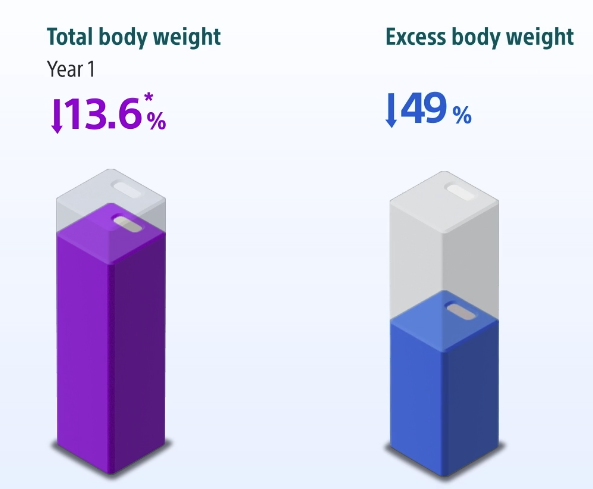
Published clinical studies have shown that ESG can produce meaningful weight loss, particularly when combined with lifestyle intervention and ongoing medical support. Many patients lose approximately 15–20% of total body weight over the first 12–24 months, although individual results vary.
Weight loss after ESG depends on several factors, including starting weight, eating patterns, physical activity, medical conditions, medication use, adherence to follow-up, and the body’s metabolic response to weight loss.
Our goal is not simply short-term weight loss. The purpose of treatment is to support long-term improvement in metabolic health, mobility, quality of life, and obesity-related conditions such as fatty liver disease, type 2 diabetes, hypertension, high cholesterol, and sleep apnea when present.
What happens before ESG?
Before ESG, patients undergo a careful evaluation by the weight management and bariatric endoscopy team. This may include:
A review of weight history and prior weight-loss attempts
Assessment of BMI and obesity-related medical conditions
Medication review
Nutrition and lifestyle assessment
Review of prior gastrointestinal conditions or procedures
Discussion of alternatives, including medications, intragastric balloon, and bariatric surgery
Pre-procedure testing as appropriate
This evaluation helps determine whether ESG is safe, appropriate, and aligned with the patient’s goals.
What happens during the procedure?
ESG is performed with the patient under anesthesia. The physician passes an endoscope through the mouth and into the stomach. Using an endoscopic suturing device, the physician places sutures inside the stomach to reduce its volume and create a narrower configuration.
The procedure is typically performed without external incisions. Many patients go home the same day, although the exact plan depends on the patient’s medical condition and the judgment of the clinical team.
Recovery after ESG
Recovery after ESG is generally shorter than recovery after traditional bariatric surgery, but it still requires careful post-procedure instructions and follow-up. Patients typically follow a staged diet after the procedure, beginning with liquids and gradually advancing as directed by the care team.
Temporary symptoms may include nausea, abdominal discomfort, bloating, cramping, reflux, or difficulty tolerating certain foods early in recovery. The care team provides guidance on hydration, diet progression, medications, activity, and warning signs that should prompt medical attention.
Long-term follow-up is an important part of the treatment. ESG is most effective when paired with structured nutrition support, behavior change, physical activity planning, and medical monitoring.
Risks and safety considerations
ESG is less invasive than traditional bariatric surgery, but it is still a medical procedure and has risks. Potential risks may include bleeding, infection, abdominal pain, nausea, reflux, reaction to anesthesia, leak, perforation, need for hospitalization, or need for additional intervention. Serious complications are uncommon but possible.
The decision to proceed with ESG should be made after a careful discussion of benefits, risks, alternatives, and expectations.
ESG and weight-loss medications
ESG and weight-loss medications are not mutually exclusive. Some patients may benefit from medication before or after ESG, while others may pursue ESG because medication has not been effective, has caused side effects, is not covered by insurance, or is not preferred.
Medications such as GLP-1 receptor agonists and related therapies can be effective for appropriate candidates, but they require medical supervision and may not be suitable for every patient. ESG may be considered as part of a broader treatment strategy that is individualized to the patient’s medical history, treatment response, and long-term goals.
Why choose a gastroenterology-led program?
Obesity is a complex chronic disease, and weight-loss procedures should be performed within a program that understands both gastrointestinal health and long-term metabolic care.
At IGIC, ESG is offered within a coordinated program that includes bariatric endoscopy, obesity medicine, lifestyle medicine, nutrition support, and coordination with surgical partners when appropriate. This allows patients to receive a thoughtful evaluation of the full range of options rather than a one-size-fits-all recommendation.
Drs. Jaclyn Tuck and Allen Hwang specialize in minimally invasive bariatric endoscopic procedures, including ESG, intragastric balloon, and TORe. IGIC’s Weight Management & Lifestyle Medicine Center also includes clinicians with training in obesity medicine and lifestyle medicine, supporting patients before and after procedures.
Conditions that may improve with weight loss
Weight loss may help improve or reduce the risk of several obesity-related conditions, including:
Type 2 diabetes or insulin resistance
Metabolic dysfunction-associated fatty liver disease
High blood pressure
High cholesterol
Obstructive sleep apnea
Gastroesophageal reflux disease in selected patients
Joint pain related to excess weight
Reduced mobility or exercise tolerance
Cardiovascular risk factors
The effect of ESG on any individual condition varies by patient. Patients should continue routine care with their primary care clinician and relevant specialists.
Frequently asked questions about ESG
Is ESG surgery?
ESG is not surgery. It is an endoscopic procedure performed through the mouth without external incisions and without removing part of the stomach. However, it is still a medical procedure performed under anesthesia and should be considered carefully.
Is ESG the same as sleeve gastrectomy?
No. Sleeve gastrectomy is a surgical bariatric procedure in which part of the stomach is removed. ESG uses endoscopic sutures placed inside the stomach to reduce stomach volume without surgical removal of stomach tissue.
How much weight can I expect to lose after ESG?
Many published studies report approximately 15–20% total body weight loss over 12–24 months, particularly when ESG is combined with structured lifestyle support. Individual results vary.
How long does ESG take?
The procedure is often completed in less than two hours, though timing varies depending on anatomy and clinical circumstances. Many patients return home the same day.
What is the diet after ESG?
Patients follow a staged diet after ESG, usually beginning with liquids and gradually advancing to soft foods and then a long-term nutrition plan. The care team provides specific instructions.
Can ESG be combined with GLP-1 medications?
In some cases, yes. ESG and medication therapy can be complementary. Medication decisions are individualized and depend on medical history, treatment goals, side effects, contraindications, and insurance coverage.
Is ESG covered by insurance?
Coverage varies by insurance plan and may be limited. Our team can help patients understand next steps, but coverage and out-of-pocket costs depend on the specific plan.
Is ESG reversible?
ESG does not remove the stomach, but the sutures and anatomy can change over time. It should not be viewed casually as a temporary procedure. Patients should discuss durability, revision options, and alternatives during consultation.
Who performs ESG at IGIC?
ESG is performed by a gastroenterologist with advanced training in endoluminal surgery and bariatric endoscopy. At IGIC, ESG is performed by Dr. Jaclyn Tuck, an obesity-certified gastroenterologist with special training in bariatric endoscopy, and Dr. Allen Hwang, an advanced endoscopist with special training in bariatric endoscopy.
How do I know whether ESG, medication, balloon therapy, or surgery is right for me?
The best option depends on BMI, medical history, prior treatments, weight-related conditions, preferences, and long-term goals. A consultation with the weight management team can help determine the most appropriate pathway.
Request a consultation
If you are interested in endoscopic sleeve gastroplasty or other physician-supervised weight-loss options, Integrated Gastroenterology Consultants can help you understand whether ESG is appropriate for you.
Our Weight Management & Lifestyle Medicine Center serves patients in Lowell, Haverhill, Andover, Newburyport, and across the Merrimack Valley, Southern New Hampshire, and the greater Boston region.
Call 978-459-6737 to request a Weight Management Consultation.
Sources:
U.S. Food and Drug Administration. De Novo Classification Request for APOLLO ESG System, APOLLO ESG SX System, APOLLO REVISE System, and APOLLO REVISE SX System (DEN210045). FDA; 2022.
Jirapinyo P, de Moura DTH, Thompson CC, et al. American Society for Gastrointestinal Endoscopy–European Society of Gastrointestinal Endoscopy guideline on endoscopic bariatric and metabolic therapies for adults with obesity. Gastrointestinal Endoscopy. 2024;99(6):867-885.e64.
Abu Dayyeh BK, Bazerbachi F, Vargas EJ, et al. Endoscopic sleeve gastroplasty for treatment of class 1 and 2 obesity: a multicentre randomised controlled trial. The Lancet. 2022;400(10350):441-451.
Mayo Clinic. Large, multicenter randomized clinical trial examines the safety and efficacy of ESG. Published October 20, 2022.
Medically reviewed by Jaclyn Tuck, MD
Last reviewed: 4/30/26
Integrated Gastroenterology Consultants Weight Management & Lifestyle Medicine Center