

Search our Blog Posts
Intragastric Balloon for Weight Loss
The intragastric weight loss balloon is the only non-surgical weight loss strategy proven to help people lose weight. Your weight loss journey begins with a personalized evaluation. You’ll start receiving the education you need to prepare you for success. After that, the Orbera balloon is inserted into your stomach during an upper endoscopy. This is a non-surgical procedure where you will be completely asleep and comfortable. The balloon will remain in place for six months, helping to control portion size and curb appetite. Our advanced endoscopist, Dr. Allen Hwang, is the only doctor in the US north of New York who places intragastric weight loss balloons.
A temporary, non-surgical endoscopic weight-loss option offered as part of a comprehensive, physician-supervised program.

Intragastric Balloon in Massachusetts
An intragastric balloon is a temporary, non-surgical weight-loss option for selected adults with obesity. The balloon is placed into the stomach during an upper endoscopy and then filled to occupy space within the stomach. This can help patients feel full earlier, reduce portion size, and begin weight loss while participating in a structured lifestyle and nutrition program.
At Integrated Gastroenterology Consultants, intragastric balloon therapy is offered through our Medical Weight Management Center. Our program is physician-led and designed to help patients choose the most appropriate treatment from a range of options, including lifestyle medicine, nutrition counseling, weight-loss medications, endoscopic sleeve gastroplasty, intragastric balloon therapy, TORe, and referral for bariatric surgery when appropriate.
IGIC serves patients in Lowell, Haverhill, Andover, Newburyport, and across the Merrimack Valley, Southern New Hampshire, and the greater Boston region.
What is an intragastric balloon?
An intragastric balloon is a soft balloon placed into the stomach through the mouth using an endoscope. Once positioned, the balloon is filled, usually with fluid, so that it occupies space in the stomach. The goal is to help patients feel satisfied with smaller amounts of food.
The balloon is temporary. It is removed endoscopically after the approved treatment period. Long-term success depends on the lifestyle, nutrition, and medical plan that continues after balloon removal.
Orbera and Spatz3 balloon options
IGIC offers intragastric balloon options, including Orbera and Spatz3. Orbera is FDA-approved for adults with BMI 30–40 who have not achieved adequate weight loss with conservative methods and is used together with a long-term supervised diet and behavior modification program. The maximum placement period for Orbera is 6 months.
Spatz3 is an adjustable intragastric balloon. FDA materials describe Spatz3 as indicated for temporary weight loss in adults with BMI 35–40, or BMI 30–34.9 with at least one major obesity-related comorbid condition, after failure to achieve and maintain weight loss with a supervised weight-control program.
The best balloon option depends on the patient’s BMI, medical history, anatomy, prior treatment attempts, tolerance, preferences, and physician assessment.
Who may be a candidate?
An intragastric balloon may be considered for selected adults who:
Have obesity or weight-related medical concerns
Have not achieved durable weight loss with lifestyle treatment alone
Prefer a temporary, non-surgical endoscopic option
Are willing to participate in structured follow-up
Understand that the balloon is a tool, not a stand-alone cure
A balloon may not be appropriate for patients with certain stomach conditions, prior gastric surgery, large hiatal hernia, active ulcers, pregnancy, bleeding risk, or medical conditions that make endoscopy or anesthesia unsafe. A consultation is required.
What happens during placement?
Balloon placement is performed during an upper endoscopy. The physician passes an endoscope through the mouth into the stomach, places the deflated balloon, and fills it once it is in position. The procedure does not require external incisions.
Patients typically go home the same day, but the exact plan depends on the patient’s health and the judgment of the care team.
What happens after balloon placement?
The first several days after balloon placement can include nausea, bloating, cramping, reflux, or abdominal discomfort as the stomach adjusts. Patients follow a staged diet and receive instructions about hydration, medications, activity, and warning symptoms.
Follow-up is essential. The balloon is temporary, so the treatment period is used to build durable nutrition, activity, and behavioral changes that can continue after the balloon is removed.
Intragastric balloon vs ESG
Both intragastric balloon and endoscopic sleeve gastroplasty are incision-free endoscopic weight-loss procedures, but they are different.
A balloon is temporary and removable. ESG uses endoscopic suturing to reduce stomach volume and is intended as a more durable endoscopic intervention. Balloon therapy may be a good option for patients seeking a temporary treatment, while ESG may be considered for patients who want a more durable procedural approach without traditional bariatric surgery.
Risks and considerations
Intragastric balloon therapy is less invasive than surgery, but it still has risks. Possible side effects include nausea, vomiting, abdominal pain, reflux, dehydration, balloon intolerance, ulceration, balloon deflation, obstruction, or need for early removal. Rare serious complications can occur.
Patients should discuss benefits, risks, alternatives, expected follow-up, and costs before proceeding.
FAQ for intragastric balloon
Is an intragastric balloon the same as a gastric balloon?
Yes. “Intragastric balloon” is the medical term. “Gastric balloon” is a common shorter term.
Is balloon placement surgery?
No. Balloon placement is performed endoscopically through the mouth, without external incisions. It is still a medical procedure requiring appropriate evaluation and monitoring.
How long does the balloon stay in place?
This depends on the specific balloon system. Orbera is placed for up to 6 months. Spatz3 has different approved use parameters and is adjustable. Your physician will discuss which option is appropriate.
How much weight can I lose?
Weight loss varies. Results depend on the balloon type, starting weight, nutrition, activity, medical conditions, and follow-up. The balloon should be viewed as part of a supervised weight-management program.
What happens after the balloon is removed?
After removal, patients continue the nutrition, lifestyle, and medical plan developed during treatment. Long-term maintenance depends heavily on follow-up and sustained behavior change.
Can balloon therapy be combined with weight-loss medications?
Sometimes. Medication use before, during, or after balloon therapy depends on medical history, side effects, treatment response, and goals.
Is it covered by insurance?
Coverage varies and is often limited. Patients should confirm benefits with their insurer and discuss expected costs with IGIC’s billing team, who can discuss options including payment plans.
Who performs intragastric balloon placement at IGIC?
Balloon placement is performed by Dr. Allen Hwang, our advanced endoscopist with specialized training in endoscopic weight-loss procedures.
To learn whether intragastric balloon therapy is appropriate for you, request a consultation with the IGIC Weight Management & Lifestyle Medicine Center.
Call 978-459-6737 to request a Weight Management Consultation.
Sources:
U.S. Food and Drug Administration. Summary of Safety and Effectiveness Data: ORBERA™ Intragastric Balloon System. PMA P140008. FDA; 2015.
U.S. Food and Drug Administration. Summary of Safety and Effectiveness Data: Spatz3 Adjustable Balloon System. PMA P190012. FDA; 2021.
Muniraj T, Day LW, Teigen LM, Ho EY, Sultan S, Davitkov P, Shah R, Murad MH. AGA Clinical Practice Guidelines on Intragastric Balloons in the Management of Obesity. Gastroenterology. 2021;160(5):1799-1808. doi:10.1053/j.gastro.2021.03.003.
Medically reviewed by: Dr. Allen Hwang
Lasts reviewed: 8/28/26
How the Orbera Weight Loss System Works
It’s a Tool, Not a Shortcut
How Much Weight Did You Lose?
What’s Life Like After It’s Out?
Does It Really Work?
Does It Require Surgery?
Is It Worth It?
What Does It Feel Like?
The First Thing That Works
More Than a Balloon
TORe for Weight Regain After Gastric Bypass
An incision-free endoscopic revision option for selected patients who have regained weight after Roux-en-Y gastric bypass.

TORe in Massachusetts
Weight regain after Roux-en-Y gastric bypass is common and can be frustrating. In some patients, weight regain is related in part to stretching of the gastrojejunal anastomosis — the connection between the small stomach pouch and the small intestine. When this outlet becomes enlarged, food may empty more quickly from the pouch, reducing fullness and making weight regain more likely.
Transoral outlet reduction, or TORe, is an endoscopic procedure designed for selected patients with weight regain after Roux-en-Y gastric bypass. It is performed through the mouth using an endoscope and endoscopic suturing, without external incisions.
At Integrated Gastroenterology Consultants, TORe is offered as part of a physician-led weight management program that includes evaluation of anatomy, nutrition, lifestyle, medication options when appropriate, and long-term follow-up.
What is TORe?
TORe stands for transoral outlet reduction. “Transoral” means the procedure is performed through the mouth. “Outlet reduction” refers to reducing the size of the gastrojejunal outlet after gastric bypass.
During TORe, the physician uses an endoscope and suturing device to reduce the size of the outlet and sometimes adjust the pouch anatomy. The goal is to help restore restriction, improve satiety, and support renewed weight loss.
TORe is not a general weight-loss procedure for patients who have not had gastric bypass. It is specifically intended for selected patients with prior Roux-en-Y gastric bypass.
Why weight regain can happen after gastric bypass
Roux-en-Y gastric bypass is an effective bariatric operation, but weight regain can occur over time. Causes may include changes in eating patterns, metabolic adaptation, medication effects, hormonal factors, reduced physical activity, behavioral factors, or anatomic changes.
One anatomic contributor is dilation of the gastrojejunal anastomosis. When the outlet stretches, the pouch may empty more quickly, and patients may feel less restriction than they did earlier after surgery.
TORe addresses this anatomic component. It works best when paired with a comprehensive medical, nutritional, and lifestyle plan.
Who may be a candidate for TORe?
TORe may be considered for patients who:
Previously had Roux-en-Y gastric bypass
Have experienced weight regain or inadequate weight-loss maintenance
Have an enlarged gastrojejunal outlet or anatomy that may respond to endoscopic revision
Want an incision-free alternative to surgical revision
Are willing to participate in structured follow-up after the procedure
TORe may not be appropriate for all patients with weight regain. Some patients may benefit more from medication, nutrition and lifestyle treatment, surgical evaluation, or evaluation for other causes of weight change.
What happens before TORe?
Before TORe, patients typically undergo a detailed evaluation, which may include:
Review of original bariatric surgery history
Weight-loss and weight-regain timeline
Review of eating patterns, medications, and medical conditions
Evaluation for nutritional deficiencies
Assessment of reflux, ulcers, abdominal pain, or other GI symptoms
Upper endoscopy to evaluate pouch and outlet anatomy
Discussion of alternatives, including medical therapy and surgical revision
This evaluation helps determine whether the patient’s anatomy is likely to respond to TORe.
What happens during TORe?
TORe is performed under anesthesia using an upper endoscope. The physician advances the endoscope through the mouth into the gastric pouch and identifies the gastrojejunal outlet. Endoscopic sutures are then placed to reduce the outlet diameter and, in some cases, modify the pouch.
The procedure does not require external incisions. Many patients go home the same day, depending on their health and procedural course.
Recovery after TORe
After TORe, patients follow a staged diet, usually beginning with liquids and gradually advancing according to the care team’s instructions. Temporary symptoms may include nausea, abdominal discomfort, bloating, reflux, or difficulty tolerating certain foods during early recovery.
Long-term follow-up is important. TORe is most effective when combined with nutrition counseling, behavioral support, physical activity planning, and medical management when appropriate.
Expected results after TORe
TORe is intended to help patients regain some of the restrictive effect of gastric bypass when outlet dilation is contributing to weight regain. Published studies support TORe as an endoscopic option for weight regain after Roux-en-Y gastric bypass, including randomized trial evidence and longer-term observational follow-up.
Individual results vary. Weight loss after TORe depends on anatomy, starting weight, time from bypass, dietary patterns, medications, metabolic factors, and follow-up.
TORe vs surgical revision
Surgical revision after gastric bypass can be effective for selected patients, but it can also be technically complex and associated with higher risk than the original operation. TORe offers an incision-free endoscopic alternative for patients whose anatomy is suitable.
TORe is not a replacement for all forms of surgical revision. The best approach depends on anatomy, medical risk, nutritional status, symptoms, and the patient’s goals.
Risks and considerations
TORe is less invasive than surgical revision, but it still has risks. Potential risks include bleeding, infection, abdominal pain, nausea, vomiting, reflux, narrowing of the outlet, need for repeat endoscopy, anesthesia-related complications, or failure to achieve desired weight loss. Serious complications are uncommon but possible.
A consultation is required to discuss candidacy, benefits, risks, alternatives, and expectations.
FAQ for TORe
What does TORe stand for?
TORe stands for transoral outlet reduction.
Who is TORe for?
TORe is for selected patients who previously had Roux-en-Y gastric bypass and later experienced weight regain, particularly when the gastric bypass outlet has stretched.
Is TORe surgery?
No. TORe is performed endoscopically through the mouth, without external incisions. It is still a medical procedure requiring anesthesia and follow-up.
Is TORe the same as ESG?
No. ESG is a primary endoscopic weight-loss procedure for patients who have not necessarily had bariatric surgery. TORe is a revisional endoscopic procedure for selected patients after Roux-en-Y gastric bypass.
How do I know if my gastric bypass outlet is stretched?
An upper endoscopy can evaluate the size of the gastric pouch and gastrojejunal outlet.
How much weight can I lose after TORe?
Results vary. TORe may help support renewed weight loss when outlet dilation is contributing to weight regain, but long-term results depend on anatomy, diet, activity, medications, and follow-up.
Can TORe be combined with weight-loss medications?
Yes, in some cases. Medication therapy may be considered before or after TORe depending on the patient’s medical history and treatment response.
Is TORe covered by insurance?
Coverage varies. Patients should check with their insurer and discuss documentation and cost considerations with the IGIC billing team, who can discuss options such as payment plans.
If you previously had Roux-en-Y gastric bypass and are experiencing weight regain, IGIC can evaluate whether TORe or another weight-management option is appropriate.
Call 978-459-6737 or request a Weight Management Consultation.
Sources:
Thompson CC, Chand B, Chen YK, et al. Endoscopic suturing for transoral outlet reduction increases weight loss after Roux-en-Y gastric bypass surgery. Gastroenterology. 2013;145(1):129-137.e3. doi:10.1053/j.gastro.2013.04.002.
Kumar N, Thompson CC. Transoral outlet reduction for weight regain after gastric bypass: long-term follow-up. Gastrointestinal Endoscopy. 2016.
Jirapinyo P, Kumar N, AlSamman MA, Thompson CC. Five-year outcomes of transoral outlet reduction for the treatment of weight regain after Roux-en-Y gastric bypass. Gastrointestinal Endoscopy. 2020;91(5):1067-1073. doi:10.1016/j.gie.2019.11.044.
Mayo Clinic. The use of transoral outlet reduction endoscopy to manage weight regain after gastric bypass: A comparison of 2 endoscopic techniques. Mayo Clinic; 2021.
Hakiza L, Jirapinyo P, Thompson CC. Transoral Outlet Reduction (TORe) for the Treatment of Weight Regain and Dumping Syndrome After Roux-en-Y Gastric Bypass. Medicina. 2023;59(1):125.
Medically reviewed by: Supriya Rao, MD
Last reviewed: 4/30/26
Integrated Gastroenterology Consultants Medical Weight Management Center
Comparing Weight Loss Options
A physician-led guide to medical weight loss, endoscopic procedures, and bariatric surgery options.
Call 978-459-6737 for a consultation, or submit request below

Choosing the right weight-loss treatment
Obesity is a chronic, treatable disease. For many people, long-term weight management requires more than willpower or short-term dieting. Effective treatment may include lifestyle medicine, nutrition support, medication, endoscopic procedures, bariatric surgery, or a combination of these approaches.
At Integrated Gastroenterology Consultants, our Medical Weight Management Center helps patients understand the full range of treatment options. The goal is to match each patient with a safe, evidence-based plan that fits their medical history, weight-related conditions, prior treatment experience, and long-term goals.
IGIC provides physician-supervised weight management for patients in Lowell, Haverhill, Andover, the Merrimack Valley, Southern New Hampshire, and the greater Boston region.
Weight-loss treatment is a continuum
There is no single best weight-loss treatment for everyone. Some patients do well with intensive lifestyle treatment and nutrition counseling. Others benefit from FDA-approved medications. Some need an endoscopic procedure such as endoscopic sleeve gastroplasty or intragastric balloon therapy. Others are best served by bariatric surgery.
A comprehensive program allows patients to consider these options thoughtfully rather than viewing them as competing or unrelated treatments.
Treatment Options Comparison
| Option | How it works | Best suited for | Key considerations |
|---|---|---|---|
| Lifestyle medicine & nutrition support | Structured support for nutrition, physical activity, sleep, stress, and behavior change. | Patients at any stage of weight management. | Foundational for long-term health; may be modest alone but supports all other treatments. |
| Weight-loss medications | Medications may reduce appetite, increase fullness, or affect metabolic signaling. | Patients who meet medical criteria and do not have contraindications. | Non-procedural and adjustable; requires medical supervision. Side effects, access, and coverage vary. |
| Endoscopic sleeve gastroplasty (ESG) | Endoscopic sutures reduce stomach volume without external incisions or stomach removal. | Selected adults seeking a procedural option without traditional bariatric surgery. | Incision-free and minimally invasive; requires anesthesia, staged diet, and follow-up. |
| Intragastric balloon | A temporary balloon is placed in the stomach to promote fullness. | Selected patients seeking a temporary, non-surgical endoscopic option. | Temporary and removable; nausea or intolerance can occur. Long-term success depends on follow-up. |
| TORe after gastric bypass | Endoscopic suturing reduces a dilated gastric bypass outlet in selected patients. | Patients with prior Roux-en-Y gastric bypass and weight regain related to outlet dilation. | Incision-free revision option; only applies to certain post-bypass patients. |
| Bariatric surgery | Surgical procedures alter stomach size and/or digestive anatomy. | Patients with more severe obesity or significant obesity-related conditions. | Often produces the greatest average weight loss; involves surgery, recovery, and lifelong monitoring. |
Lifestyle medicine and nutrition support
Lifestyle treatment is the foundation of obesity care. This does not mean simply advising patients to “eat less and exercise more.” A structured lifestyle medicine approach addresses nutrition, physical activity, sleep, stress, behavior change, medical conditions, and the patient’s day-to-day environment.
At IGIC, lifestyle medicine may include nutrition counseling, health coaching, behavioral strategies, physical activity guidance, and programs designed to support sustainable change. Lifestyle treatment can be used alone or combined with medications, ESG, intragastric balloon therapy, TORe, or bariatric surgery.
Lifestyle treatment may be a good fit for patients who:
Want to focus on metabolic health and long-term behavior change
Prefer to start without medication or procedures
Need support before or after a weight-loss procedure
Have obesity-related conditions such as fatty liver disease, prediabetes, diabetes, high blood pressure, or high cholesterol
Weight-loss medications, including GLP-1 therapies
FDA-approved weight-loss medications can be effective tools for appropriate patients. Some medications, including GLP-1 receptor agonists and related therapies, work by reducing appetite, increasing satiety, slowing stomach emptying, or affecting metabolic signaling.
Medication selection should be individualized. Factors include BMI, medical history, diabetes status, cardiovascular risk, gastrointestinal symptoms, prior medication response, pregnancy considerations, side effects, cost, and insurance coverage.
Weight-loss medications may be a good fit for patients who:
Meet medical criteria for pharmacologic weight management
Prefer a non-procedural option
Have weight-related medical conditions
Need additional support beyond lifestyle treatment alone
May benefit from medication before or after an endoscopic procedure
Important considerations include side effects, medication access, insurance coverage, dose adjustments, and the possibility of weight regain after stopping treatment. Medication therapy should be supervised by a clinician experienced in obesity medicine.
Endoscopic sleeve gastroplasty (ESG)
Endoscopic sleeve gastroplasty is an incision-free procedure performed through an upper endoscope. Sutures are placed inside the stomach to reduce its functional volume and create a narrower, sleeve-like shape. The goal is to help patients feel full with smaller meals and support long-term weight loss when paired with structured follow-up.
ESG may be a good fit for selected adults with obesity who:
Want a procedural treatment but prefer to avoid traditional surgery
Have not achieved durable weight loss with lifestyle treatment alone
Are not ideal candidates for bariatric surgery or do not wish to pursue surgery
Are willing to follow a staged diet and long-term weight management plan
Understand that ESG is a tool, not a stand-alone cure
ESG may be especially relevant for patients who are looking for an option between medication therapy and bariatric surgery. It can also be combined with obesity medications in selected cases.
Intragastric balloon therapy
An intragastric balloon is a temporary, non-surgical device placed in the stomach to promote fullness and help patients reduce food intake. The balloon remains in place for a defined period and is then removed.
Balloon therapy may be a good fit for selected patients who:
Prefer a temporary endoscopic option
Want support initiating weight loss
Are committed to nutrition and lifestyle follow-up
May not be ready for a more durable procedure such as ESG or bariatric surgery
Because the balloon is temporary, long-term success depends on maintaining changes after balloon removal.
TORe for weight regain after gastric bypass
Transoral outlet reduction, or TORe, is an endoscopic procedure for selected patients who have regained weight after Roux-en-Y gastric bypass. In some patients, the connection between the stomach pouch and small intestine, called the gastrojejunal outlet, stretches over time. TORe uses endoscopic suturing to reduce the outlet size and help restore restriction.
TORe may be a good fit for patients who:
Previously had Roux-en-Y gastric bypass
Have experienced weight regain
Have an enlarged outlet or anatomy that may respond to endoscopic revision
Want an incision-free alternative to surgical revision
TORe is not a general weight-loss procedure for patients who have not had gastric bypass. An endoscopic evaluation is needed to determine whether it is appropriate.
Bariatric surgery
Bariatric surgery includes procedures such as sleeve gastrectomy and Roux-en-Y gastric bypass. These operations can produce substantial and durable weight loss and may significantly improve obesity-related conditions such as type 2 diabetes, high blood pressure, sleep apnea, and fatty liver disease.
Bariatric surgery may be the best option for patients with more severe obesity, significant metabolic disease, or a need for the most powerful available weight-loss intervention. Surgery also requires careful preparation, recovery, and lifelong nutritional monitoring.
At IGIC, patients who may benefit from bariatric surgery can be evaluated within a broader medical and endoscopic weight management program and coordinated with surgical partners at Lowell General Hospital and Lawrence General Hospital when appropriate.
How to think about ESG vs medications
ESG and medications are different tools, and some patients may benefit from both.
Medications can be adjusted, stopped, or changed over time. They do not require a procedure, but they may require ongoing use to maintain benefit. Some patients experience side effects, difficulty with access, or inadequate response.
ESG is a one-time endoscopic procedure that changes stomach volume without removing stomach tissue. It requires anesthesia, recovery, a staged diet, and long-term follow-up. Some patients may still need medication after ESG, particularly if weight loss plateaus or if metabolic disease remains active.
The question is not simply “ESG or medication?” The more useful question is: “What combination of treatments gives this patient the safest and most durable path toward improved health?”
How to think about ESG vs bariatric surgery
ESG is less invasive than traditional bariatric surgery and does not involve removing part of the stomach. For some patients, that makes it an attractive option. However, bariatric surgery generally produces greater average weight loss and may be the more appropriate treatment for patients with more severe obesity or advanced metabolic disease.
Patients considering ESG should understand both the advantages and limitations of the procedure. Patients considering bariatric surgery should understand the benefits, risks, recovery, and lifelong nutritional monitoring required after surgery.
A physician-led consultation can help clarify which option is most appropriate.
Which option is right for me?
The best treatment depends on several factors:
Current BMI
Weight history and prior weight-loss attempts
Diabetes, fatty liver disease, sleep apnea, hypertension, high cholesterol, or other weight-related conditions
Prior gastrointestinal surgery
Reflux, swallowing problems, ulcers, or other GI conditions
Medication history and side effects
Insurance coverage and cost considerations
Preference regarding medication, procedures, and surgery
Ability to participate in long-term follow-up
A careful evaluation helps avoid both undertreatment and overtreatment. Some patients need more intensive therapy earlier. Others may do well with a stepwise approach.
Why choose IGIC for weight management and bariatric endoscopy?
Integrated Gastroenterology Consultants offers a comprehensive, physician-led program for obesity and metabolic health. Our team includes clinicians with training in gastroenterology, obesity medicine, lifestyle medicine, nutrition, and advanced endoscopic procedures.
This matters because weight management is not just a cosmetic issue or a short-term goal. Obesity can affect the liver, digestive tract, cardiovascular system, endocrine system, joints, sleep, cancer risk, and overall health. A medically supervised program can help patients choose treatment based on health needs rather than trends or one-size-fits-all recommendations.
IGIC offers care for patients throughout Lowell, Haverhill, Andover, Newburyport, and across the Merrimack Valley, Southern New Hampshire, and the greater Boston region.
Frequently asked questions
Are GLP-1 medications better than ESG?
Not necessarily. GLP-1 medications and ESG work differently. Medications can be very effective for appropriate patients but require ongoing treatment and monitoring. ESG is an endoscopic procedure that reduces stomach volume. Some patients may benefit from one approach, and some may benefit from a combination.
Is ESG safer than bariatric surgery?
ESG is less invasive than bariatric surgery because it is performed through the mouth without external incisions and without removing stomach tissue. However, ESG still has risks and requires anesthesia, post-procedure care, and long-term follow-up. Safety depends on patient selection, procedural expertise, and clinical circumstances.
Is a balloon the same as ESG?
No. An intragastric balloon is temporary and must be removed. ESG uses endoscopic suturing to reduce the stomach’s functional volume. Both are endoscopic options, but they differ in durability, mechanism, and candidacy.
What is TORe?
TORe, or transoral outlet reduction, is an endoscopic revision procedure for selected patients who have regained weight after Roux-en-Y gastric bypass. It is not intended for patients who have not had gastric bypass.
Can I have ESG if I am taking a GLP-1 medication?
Possibly. Medication use before or after ESG is individualized. Some patients may stop, continue, or start medication depending on their response, side effects, medical conditions, and treatment goals.
Is weight-loss treatment covered by insurance?
Coverage varies widely by insurance plan and by treatment type. Medications, nutrition visits, endoscopic procedures, and bariatric surgery may have different coverage requirements. Patients should confirm benefits with their insurer and discuss options with IGIC’s billing team, who can discussion options such as payment plans.
Do I need a referral?
Referral requirements depend on insurance and the type of visit. Patients may contact IGIC directly to request a consultation, and the team can help determine the appropriate next step.
Request a weight management consultation
If you are considering medical weight loss, ESG, intragastric balloon therapy, TORe, or bariatric surgery, Integrated Gastroenterology Consultants can help you understand your options.
Our team provides physician-supervised care in Lowell, Haverhill, Andover, and across the Merrimack Valley, Southern New Hampshire, and the greater Boston region.
Call 978-459-6737 to request a Weight Management Consultation.
Sources:
Jirapinyo P, de Moura DTH, Thompson CC, et al. American Society for Gastrointestinal Endoscopy–European Society of Gastrointestinal Endoscopy guideline on endoscopic bariatric and metabolic therapies for adults with obesity. Gastrointestinal Endoscopy. 2024;99(6):867-885.e64.
Abu Dayyeh BK, Bazerbachi F, Vargas EJ, et al. Endoscopic sleeve gastroplasty for treatment of class 1 and 2 obesity: a multicentre randomised controlled trial. The Lancet. 2022;400(10350):441-451.
U.S. Food and Drug Administration. De Novo Classification Request for APOLLO ESG System, APOLLO ESG SX System, APOLLO REVISE System, and APOLLO REVISE SX System (DEN210045). FDA; 2022.
U.S. Food and Drug Administration. FDA Approves New Medication for Chronic Weight Management. FDA; 2023.
U.S. Food and Drug Administration. ORBERA™ Intragastric Balloon System: Summary of Safety and Effectiveness Data / Premarket Approval P140008. FDA; 2015.
American Society for Metabolic and Bariatric Surgery. Metabolic and Bariatric Surgery. ASMBS.
Eisenberg D, Shikora SA, Aarts E, et al. 2022 American Society for Metabolic and Bariatric Surgery and International Federation for the Surgery of Obesity and Metabolic Disorders: indications for metabolic and bariatric surgery. Surgery for Obesity and Related Diseases. 2022;18(12):1345-1356.
Mayo Clinic. Intragastric balloon: A re-emerging approach for obesity. Mayo Clinic.
Medically reviewed by Supriya Rao, MD
Last reviewed: 4/30/26
Integrated Gastroenterology Consultants Weight Management & Lifestyle Medicine Center
Endoscopic Sleeve Gastroplasty (ESG)
A minimally invasive, incision-free weight-loss procedure offered as part of a comprehensive, physician-led weight management program.
Endoscopic Sleeve Gastroplasty in Massachusetts
Endoscopic sleeve gastroplasty, often called ESG, is a minimally invasive weight-loss procedure performed through an upper endoscope. During the procedure, a specially trained gastroenterologist places sutures from inside the stomach to reduce its functional volume. This can help patients feel full with smaller meals and support meaningful, sustained weight loss when combined with nutrition counseling, lifestyle treatment, and ongoing medical follow-up.
At Integrated Gastroenterology Consultants, ESG is offered through our Weight Management & Lifestyle Medicine Center as part of a comprehensive obesity-care program. Our approach is individualized and physician-led, with treatment options that may include lifestyle medicine, nutrition support, FDA-approved weight-loss medications when appropriate, endoscopic weight-loss procedures, and coordination with bariatric surgery programs when surgery is the best option.
IGIC provides care for patients in Lowell, Haverhill, Andover, Newburyport, and across the Merrimack Valley, Southern New Hampshire, and the greater Boston region.
What is ESG?
ESG is an incision-free endoscopic procedure designed to reduce the size and shape of the stomach without removing any portion of the stomach. The procedure is performed using an endoscope, a flexible tube passed through the mouth while the patient is under anesthesia. Through the endoscope, the physician places a series of sutures inside the stomach to create a narrower, sleeve-like shape.
By reducing the stomach’s functional capacity, ESG can help patients feel satisfied with smaller portions. ESG is not a stand-alone cure for obesity. It is a tool that works best when paired with structured lifestyle support, nutritional counseling, and long-term medical follow-up.
How ESG differs from sleeve gastrectomy
ESG and surgical sleeve gastrectomy both reduce stomach volume, but they are not the same procedure.
Surgical sleeve gastrectomy is a bariatric operation in which a large portion of the stomach is removed. ESG is performed endoscopically, through the mouth, without external incisions and without surgically removing stomach tissue.
For some patients, ESG may offer an option between medical weight management and bariatric surgery. It may be considered by patients who want a more procedural approach than medication or lifestyle treatment alone, but who are not ready for, do not qualify for, or prefer to avoid traditional bariatric surgery. For other patients, bariatric surgery may still be the more appropriate and effective option. The best choice depends on BMI, medical history, weight-related conditions, prior treatments, preferences, and long-term goals.
Who may be a candidate for ESG?
ESG may be appropriate for selected adults with obesity who have not achieved sustained weight loss with lifestyle changes alone. Many ESG studies have focused on patients with a BMI in the range of approximately 30–40, though candidacy depends on the full clinical picture rather than BMI alone.
Patients may be considered for ESG if they:
Have obesity or significant weight-related health concerns
Have tried lifestyle changes but have not achieved adequate or durable weight loss
Prefer an incision-free procedure rather than traditional bariatric surgery
Are willing to participate in structured follow-up after the procedure
Understand that ESG works best as part of a comprehensive treatment plan
ESG may not be appropriate for patients with certain stomach conditions, prior upper gastrointestinal surgery, active ulcers, bleeding disorders, severe reflux or large hiatal hernia in some cases, or medical conditions that make anesthesia or endoscopy unsafe. A consultation is required to determine whether ESG is appropriate.
Expected weight loss after ESG
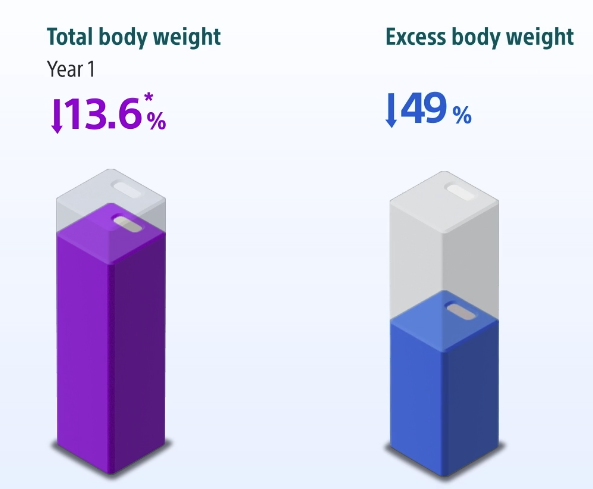
Published clinical studies have shown that ESG can produce meaningful weight loss, particularly when combined with lifestyle intervention and ongoing medical support. Many patients lose approximately 15–20% of total body weight over the first 12–24 months, although individual results vary.
Weight loss after ESG depends on several factors, including starting weight, eating patterns, physical activity, medical conditions, medication use, adherence to follow-up, and the body’s metabolic response to weight loss.
Our goal is not simply short-term weight loss. The purpose of treatment is to support long-term improvement in metabolic health, mobility, quality of life, and obesity-related conditions such as fatty liver disease, type 2 diabetes, hypertension, high cholesterol, and sleep apnea when present.
What happens before ESG?
Before ESG, patients undergo a careful evaluation by the weight management and bariatric endoscopy team. This may include:
A review of weight history and prior weight-loss attempts
Assessment of BMI and obesity-related medical conditions
Medication review
Nutrition and lifestyle assessment
Review of prior gastrointestinal conditions or procedures
Discussion of alternatives, including medications, intragastric balloon, and bariatric surgery
Pre-procedure testing as appropriate
This evaluation helps determine whether ESG is safe, appropriate, and aligned with the patient’s goals.
What happens during the procedure?
ESG is performed with the patient under anesthesia. The physician passes an endoscope through the mouth and into the stomach. Using an endoscopic suturing device, the physician places sutures inside the stomach to reduce its volume and create a narrower configuration.
The procedure is typically performed without external incisions. Many patients go home the same day, although the exact plan depends on the patient’s medical condition and the judgment of the clinical team.
Recovery after ESG
Recovery after ESG is generally shorter than recovery after traditional bariatric surgery, but it still requires careful post-procedure instructions and follow-up. Patients typically follow a staged diet after the procedure, beginning with liquids and gradually advancing as directed by the care team.
Temporary symptoms may include nausea, abdominal discomfort, bloating, cramping, reflux, or difficulty tolerating certain foods early in recovery. The care team provides guidance on hydration, diet progression, medications, activity, and warning signs that should prompt medical attention.
Long-term follow-up is an important part of the treatment. ESG is most effective when paired with structured nutrition support, behavior change, physical activity planning, and medical monitoring.
Risks and safety considerations
ESG is less invasive than traditional bariatric surgery, but it is still a medical procedure and has risks. Potential risks may include bleeding, infection, abdominal pain, nausea, reflux, reaction to anesthesia, leak, perforation, need for hospitalization, or need for additional intervention. Serious complications are uncommon but possible.
The decision to proceed with ESG should be made after a careful discussion of benefits, risks, alternatives, and expectations.
ESG and weight-loss medications
ESG and weight-loss medications are not mutually exclusive. Some patients may benefit from medication before or after ESG, while others may pursue ESG because medication has not been effective, has caused side effects, is not covered by insurance, or is not preferred.
Medications such as GLP-1 receptor agonists and related therapies can be effective for appropriate candidates, but they require medical supervision and may not be suitable for every patient. ESG may be considered as part of a broader treatment strategy that is individualized to the patient’s medical history, treatment response, and long-term goals.
Why choose a gastroenterology-led program?
Obesity is a complex chronic disease, and weight-loss procedures should be performed within a program that understands both gastrointestinal health and long-term metabolic care.
At IGIC, ESG is offered within a coordinated program that includes bariatric endoscopy, obesity medicine, lifestyle medicine, nutrition support, and coordination with surgical partners when appropriate. This allows patients to receive a thoughtful evaluation of the full range of options rather than a one-size-fits-all recommendation.
Drs. Jaclyn Tuck and Allen Hwang specialize in minimally invasive bariatric endoscopic procedures, including ESG, intragastric balloon, and TORe. IGIC’s Weight Management & Lifestyle Medicine Center also includes clinicians with training in obesity medicine and lifestyle medicine, supporting patients before and after procedures.
Conditions that may improve with weight loss
Weight loss may help improve or reduce the risk of several obesity-related conditions, including:
Type 2 diabetes or insulin resistance
Metabolic dysfunction-associated fatty liver disease
High blood pressure
High cholesterol
Obstructive sleep apnea
Gastroesophageal reflux disease in selected patients
Joint pain related to excess weight
Reduced mobility or exercise tolerance
Cardiovascular risk factors
The effect of ESG on any individual condition varies by patient. Patients should continue routine care with their primary care clinician and relevant specialists.
Frequently asked questions about ESG
Is ESG surgery?
ESG is not surgery. It is an endoscopic procedure performed through the mouth without external incisions and without removing part of the stomach. However, it is still a medical procedure performed under anesthesia and should be considered carefully.
Is ESG the same as sleeve gastrectomy?
No. Sleeve gastrectomy is a surgical bariatric procedure in which part of the stomach is removed. ESG uses endoscopic sutures placed inside the stomach to reduce stomach volume without surgical removal of stomach tissue.
How much weight can I expect to lose after ESG?
Many published studies report approximately 15–20% total body weight loss over 12–24 months, particularly when ESG is combined with structured lifestyle support. Individual results vary.
How long does ESG take?
The procedure is often completed in less than two hours, though timing varies depending on anatomy and clinical circumstances. Many patients return home the same day.
What is the diet after ESG?
Patients follow a staged diet after ESG, usually beginning with liquids and gradually advancing to soft foods and then a long-term nutrition plan. The care team provides specific instructions.
Can ESG be combined with GLP-1 medications?
In some cases, yes. ESG and medication therapy can be complementary. Medication decisions are individualized and depend on medical history, treatment goals, side effects, contraindications, and insurance coverage.
Is ESG covered by insurance?
Coverage varies by insurance plan and may be limited. Our team can help patients understand next steps, but coverage and out-of-pocket costs depend on the specific plan.
Is ESG reversible?
ESG does not remove the stomach, but the sutures and anatomy can change over time. It should not be viewed casually as a temporary procedure. Patients should discuss durability, revision options, and alternatives during consultation.
Who performs ESG at IGIC?
ESG is performed by a gastroenterologist with advanced training in endoluminal surgery and bariatric endoscopy. At IGIC, ESG is performed by Dr. Jaclyn Tuck, an obesity-certified gastroenterologist with special training in bariatric endoscopy, and Dr. Allen Hwang, an advanced endoscopist with special training in bariatric endoscopy.
How do I know whether ESG, medication, balloon therapy, or surgery is right for me?
The best option depends on BMI, medical history, prior treatments, weight-related conditions, preferences, and long-term goals. A consultation with the weight management team can help determine the most appropriate pathway.
Request a consultation
If you are interested in endoscopic sleeve gastroplasty or other physician-supervised weight-loss options, Integrated Gastroenterology Consultants can help you understand whether ESG is appropriate for you.
Our Weight Management & Lifestyle Medicine Center serves patients in Lowell, Haverhill, Andover, Newburyport, and across the Merrimack Valley, Southern New Hampshire, and the greater Boston region.
Call 978-459-6737 to request a Weight Management Consultation.
Sources:
U.S. Food and Drug Administration. De Novo Classification Request for APOLLO ESG System, APOLLO ESG SX System, APOLLO REVISE System, and APOLLO REVISE SX System (DEN210045). FDA; 2022.
Jirapinyo P, de Moura DTH, Thompson CC, et al. American Society for Gastrointestinal Endoscopy–European Society of Gastrointestinal Endoscopy guideline on endoscopic bariatric and metabolic therapies for adults with obesity. Gastrointestinal Endoscopy. 2024;99(6):867-885.e64.
Abu Dayyeh BK, Bazerbachi F, Vargas EJ, et al. Endoscopic sleeve gastroplasty for treatment of class 1 and 2 obesity: a multicentre randomised controlled trial. The Lancet. 2022;400(10350):441-451.
Mayo Clinic. Large, multicenter randomized clinical trial examines the safety and efficacy of ESG. Published October 20, 2022.
Medically reviewed by Jaclyn Tuck, MD
Last reviewed: 4/30/26
Integrated Gastroenterology Consultants Weight Management & Lifestyle Medicine Center
Peripheral Nerve Evaluation (PNE) for Fecal Incontinence

Do the following sound familiar?
Frequent bowel accidents
Monitoring what and how much you eat
Using pads or protective garments
Planning activities around the bathroom
These are symptoms of fecal incontinence. Unfortunately, many people experience problems with bowel and bladder continence — about 1 in 12 adults in the US has fecal incontinence, and 21 million adults in the US are affected by fecal incontinence. These symptoms can cause problems emotionally, physically, and even socially. Although discussing the problem can be embarrassing, there are a variety of treatment options that the providers at IGIC can offer you. These options can range from simple solutions such as fiber supplementation and optimization of your medications to more nuanced and individualized approaches including physical therapy and neurostimulation.
Our on staff physical therapists have extensive training and expertise in the specific treatment of pelvic floor problems. These are private sessions that focus on your comfort and gradual improvement.
Neurostimulation is an approach to bowel continence problems that focuses on improving the communication that your lower body has with your brain and nervous system.
Our doctors can offer a treatment called Peripheral Nerve Evaluation, or PNE. This is a simple, in-office procedure done with the help of local anesthesia. It requires no preparation and can be done in the order of minutes. During this evaluation, a provider will use a small needle to numb the skin on your back and insert a very thin caliber lead into the tissue under the skin. This lead is then left in place for about one week along with an external stimulator that the patient wears on a belt. During this week, we monitor your symptoms and compare them to the symptoms you had prior to the stimulation.
If the test is successful, which it is in about 70-80% of the appropriately selected patients, we can discuss having a more permanent treatment that can deliver a similar level of stimulation.
Please let your IGIC provider know if you have ever had any problems with bowel continence, such as leakage of stool, frank stool related accidents, or even severe urgency that limits your social interactions and life. Fecal Incontinence (FI) is a treatable condition. It’s not a normal part of aging. And you shouldn’t have to deal with it on your own.
Are Colonoscopies Effective?

A study recently published in the New England Journal of Medicine about the effectiveness of colonoscopy is making the news!
This study, the NordICC trial, which was performed in Norway, Poland, and Sweden, claims that it found that colonoscopy is not as effective at preventing colon cancer and death as previously thought. However, there are several issues with the study that may not make it applicable to colonoscopies in the United States:
The Study is Not Representative of Colorectal Cancer Screening in the United States
This study was conducted in Norway, Poland, and Sweden which has a population very different than in the United States and may have different rates of polyps and colon cancer, especially among communities of color.
In the United States, guidelines state that gastroenterologists should be detecting adenomas (pre-cancerous polyps) in at least 25% of screening colonoscopies. This number makes sure that gastroenterologists are performing high-quality exams and finding enough adenomas. A recent study actually found the average adenoma detection rate in the United States is 39%. In contrast, in the NordICC trial, almost 1/3 of the endoscopists had an adenoma detection rate below 25%. This means that the gastroenterologists in the study may have been missing polyps.
Half of the Patients in the “Colonoscopy” Group of the Trial Did Not Have a Colonoscopy
In the NordICC trial, only 42% of people invited to have a colonoscopy actually had a colonoscopy. But even the people who did not go through with a colonoscopy were still included in the “Colonoscopy” group when calculating the results. This likely brought down the calculated effectiveness of colonoscopy.
In the people who did get a colonoscopy, colonoscopy was effective — their risk of colorectal cancer was reduced by 31% and the risk of dying from colorectal cancer was reduced by 50%.
Prior studies have shown that colonoscopy reduces the risk of colorectal cancer by more than 50% and reduces the risk of dying from colorectal cancer by almost 70%.
Colonoscopy is Still the Gold Standard
Colonoscopy remains the only test that screens, detects, and prevents colorectal cancer.
The U.S. Preventative Services Task Force recommends that Americans begin colorectal cancer screening at age 45.
See the original study here.
Screening versus Diagnostic Colonoscopy: What’s the Difference?

Perhaps the first time you heard the terms “screening colonoscopy” and “diagnostic colonoscopy” was when you called your insurance company to ask about your coverage.
You were probably told a screening colonoscopy was covered 100%, while a diagnostic colonoscopy had a copay or coinsurance.
Understanding the difference between them can make life a little easier – and help you know what to expect for your out-of-pocket costs.
What’s The Difference?
Screening colonoscopies and diagnostic colonoscopies are performed similarly using the same equipment. The difference is how the procedure is billed to your insurance. Billing will depend on your symptoms (or lack of symptoms) and what your doctor finds during the procedure.
A colonoscopy is considered preventive screening if the patient doesn’t have any gastrointestinal symptoms and no polyps or masses are found during the colonoscopy.
The Affordable Care Act (ACA) considers preventive services “essential health benefits” and requires insurance companies to pay all associated costs. That also means you won’t have to pay a copay or coinsurance for a screening colonoscopy.
Since a diagnostic colonoscopy isn’t considered preventive, your insurance may require you to pay a copay or coinsurance.
Screening Colonoscopy
A screening colonoscopy is a preventive procedure to examine the colon to ensure it’s healthy. All adults 45 and older need screening because colon cancer is one of the most common and deadly cancers. It is also typically treatable when it’s caught early. Better yet, colon cancer can be prevented by finding and removing polyps before they can develop into cancer.
According to the American Cancer Society, people with an average risk of developing colon cancer should have a screening colonoscopy every ten years.
A colonoscopy is considered screening when:
You’ve had no lower gastrointestinal signs or symptoms before the colonoscopy
No polyps or masses are found during the colonoscopy
There’s no family history of polyps or colon cancer
You have no history of polyps or colon cancer
Diagnostic Colonoscopy
Unlike a screening colonoscopy, you may be required to pay a deductible or coinsurance for a diagnostic colonoscopy, according to your insurance policy.
A colonoscopy is considered diagnostic when you’ve had:
Signs or symptoms in the lower gastrointestinal tract noted in your medical record before the procedure, including:
Abdominal pain that doesn’t improve
Anemia
Change in bowel habits
Constipation
Diarrhea
Rectal bleeding
Blood in the stool
Polyps within the past 10 years
A positive stool-based test or CT colonography and require a follow-up colonoscopy
Can Screening Become Diagnostic?
It’s true that you may go in for a screening colonoscopy and come out with a diagnostic colonoscopy. If your doctor finds a mass needing biopsy or finds a polyp, your colonoscopy is considered diagnostic at that point. That’s why it’s essential to understand your insurance coverage before your procedure.
What You Need to Know About Insurance Coverage for Colonoscopies
Medicare and most private insurance companies fully cover screening colonoscopies, including the deductible or coinsurance. Medicare coverage is often slightly different than private insurance plans.
Medicare Coverage
Medicare covers a screening colonoscopy:
Every 10 years, if you’re not high risk
Every 2 years, if you’re high risk, or have:
A history of polyps or colon cancer
A family history of polyps or colon cancer
A personal history of inflammatory bowel disease (IBD), which includes ulcerative colitis and Crohn’s Disease
Medicare covers a diagnostic colonoscopy without a deductible, but you will be required to pay 20% coinsurance.
Private Insurance Coverage
Private insurance coverage for diagnostic colonoscopies varies. Always ask your insurance company about out-of-pocket costs, including copays, coinsurance, deductibles, limits, or exclusions.
Grandfathered Plans
The ACA was passed in 2010 and any plans that were established before then are considered “grandfathered”. That means they are exempt from the coverage requirements for colonoscopy. People who have one of these plans may pay more (co-pay, co-insurance) for a screening colonoscopy.
Some states have their own laws that may still require insurance plans to provide coverage, even if the plan is older.
Knowing whether or not a colonoscopy is considered a screening or diagnostic is not always simple. It’s important to call your insurance provider before your colonoscopy appointment to have the best idea of what your out-of-pocket cost will be.
Don’t delay your colonoscopy if you are 45 or older – schedule an appointment today!
OverStitch/TORe (transoral outlet reduction endoscopy)
Transoral Outlet Reduction (TORe) for Weight Regain After Gastric Bypass
Transoral Outlet Reduction (TORe) is a minimally invasive endoscopic procedure used to help patients who have previously had gastric bypass surgery and are experiencing weight regain or less weight loss than expected.
After gastric bypass, the stomach pouch and the connection between the stomach and small intestine (the stoma) can gradually stretch over time. This may reduce the feeling of fullness after eating and contribute to weight regain. TORe is designed to reduce the size of both the pouch and the stoma to help restore restriction.
The procedure is performed using an endoscope (a flexible tube with a camera) passed through the mouth. A specialized suturing device, known as the OverStitch™ system, is used to place sutures that tighten the enlarged areas. Because the procedure is done internally, no external incisions are required.
What to expect:
TORe is typically performed on an outpatient basis
Most patients return to normal daily activities within a few days
Discomfort is generally mild and temporary
The procedure does not involve traditional surgery
TORe is performed by gastroenterologists trained in advanced endoscopic techniques. The approach is tailored to each patient’s anatomy and medical history.
Is TORe appropriate for you?
Patients who have had gastric bypass and are concerned about weight regain or reduced effectiveness of their surgery may be candidates for TORe. A consultation with a healthcare provider is needed to review your medical history, discuss potential risks and benefits, and determine whether this procedure is appropriate for your situation.
Intragastric Weight Loss Balloon: Orbera
The intragastric weight loss balloon is the only non-surgical weight loss strategy proven to help people lose weight. Your weight loss journey begins with a personalized evaluation. You’ll start receiving the education you need to prepare you for success. After that, the Orbera balloon is inserted into your stomach during an upper endoscopy. This is a non-surgical procedure where you will be completely asleep and comfortable. The balloon will remain in place for six months, helping to control portion size and curb appetite. Our advanced endoscopist, Dr. Allen Hwang, is the only doctor in the US north of New York who places intragastric weight loss balloons.
The intragastric weight loss balloon is the only non-surgical weight loss strategy proven to help people lose weight. Your weight loss journey begins with a personalized evaluation. You’ll start receiving the education you need to prepare you for success. After that, the Orbera balloon is inserted into your stomach during an upper endoscopy. This is a non-surgical procedure where you will be completely asleep and comfortable. The balloon will remain in place for six months, helping to control portion size and curb appetite. With the help of the weight loss balloon and personalized coaching, you’ll focus on healthy eating, exercise, and lifestyle habits to maximize your success. The weight loss balloon is removed from your stomach at six months. After the weight loss balloon is removed, you’ll continue receiving support to help you achieve and maintain your optimal weight and healthy lifestyle.
Integrated Gastroenterology Consultants uses the Orbera Weight Loss System. Orbera is a year-long program for helping you lose weight by changing your habits. See more about the Orbera balloon, including FAQ videos, below.
Our advanced endoscopist, Dr. Allen Hwang, is the only doctor in the US north of New York who places intragastric weight loss balloons. Call (978) 459-6737 for a consultation on weight management and the weight loss balloon.
Medically reviewed by: Allen Hwang, MD
Last reviewed: 4/30/26
Integrated Gastroenterology Consultants Medical Weight Management Center
How the Orbera Weight Loss System Works
It’s a Tool, Not a Shortcut
How Much Weight Did You Lose?
What’s Life Like After It’s Out?
Does It Really Work?
Does It Require Surgery?
Is It Worth It?
What Does It Feel Like?
The First Thing That Works
More Than a Balloon
Intragastric Weight Loss Balloon: Spatz
The Spatz3 Adjustable Balloon System is the world’s first and only adjustable gastric balloon. This non-surgical weight loss solution offers patients a higher weight loss success rate than ever before. With the highest weight loss results and highest success rates of all 8-month gastric balloons, the Spatz3 has proven to have an 84% success rate and 15% weight loss, far exceeding every non-adjustable balloon in non-comparative studies. In addition, FDA Clinical Trials show that Spatz balloon patients lost five times as much weight as those on diet alone.Spatz Medical is committed to the patient’s journey, helping them achieve their weight loss goals, while learning to listen to body cues that ultimately contribute to long-term weight management success.
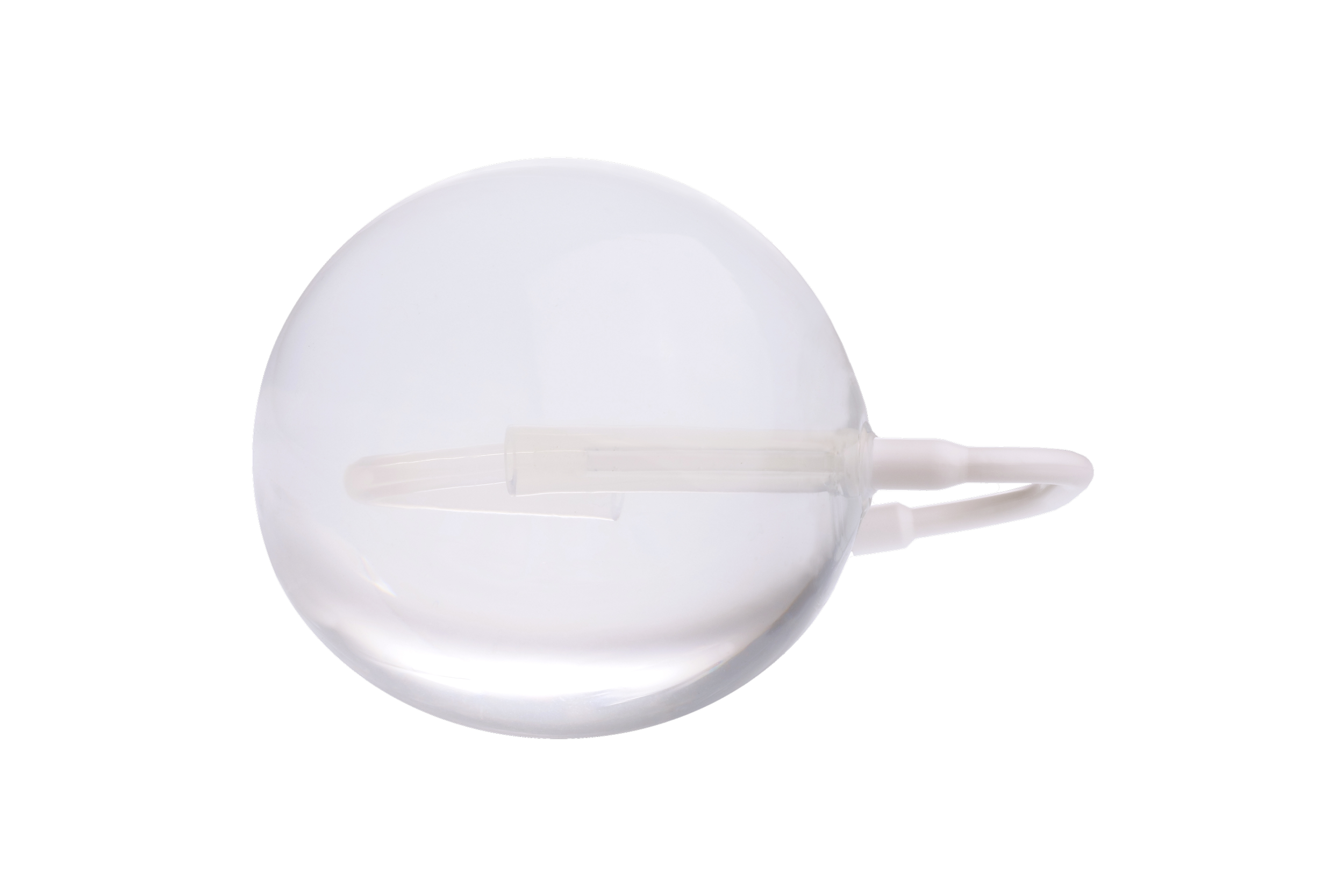
The Spatz3 Adjustable Balloon System is the world’s first and only adjustable gastric balloon. This non-surgical weight loss solution offers patients a higher weight loss success rate than ever before. With the highest weight loss results and highest success rates of all 8-month gastric balloons, the Spatz3 has proven to have an 84% success rate and 15% weight loss, far exceeding every non-adjustable balloon in non-comparative studies. In addition, FDA Clinical Trials show that Spatz balloon patients lost five times as much weight as those on diet alone.Spatz Medical is committed to the patient’s journey, helping them achieve their weight loss goals, while learning to listen to body cues that ultimately contribute to long-term weight management success.
Integrated Gastroenterology Consultants now offers the Spatz3 Adjustable Balloon System as one option for intragastric balloons. See more about the Spatz3 balloon below.
Our advanced endoscopist, Dr. Allen Hwang, is one of the only doctors in the US north of New York who places intragastric weight loss balloons. Call (978) 459-6737 for a consultation on weight management and the weight loss balloon.